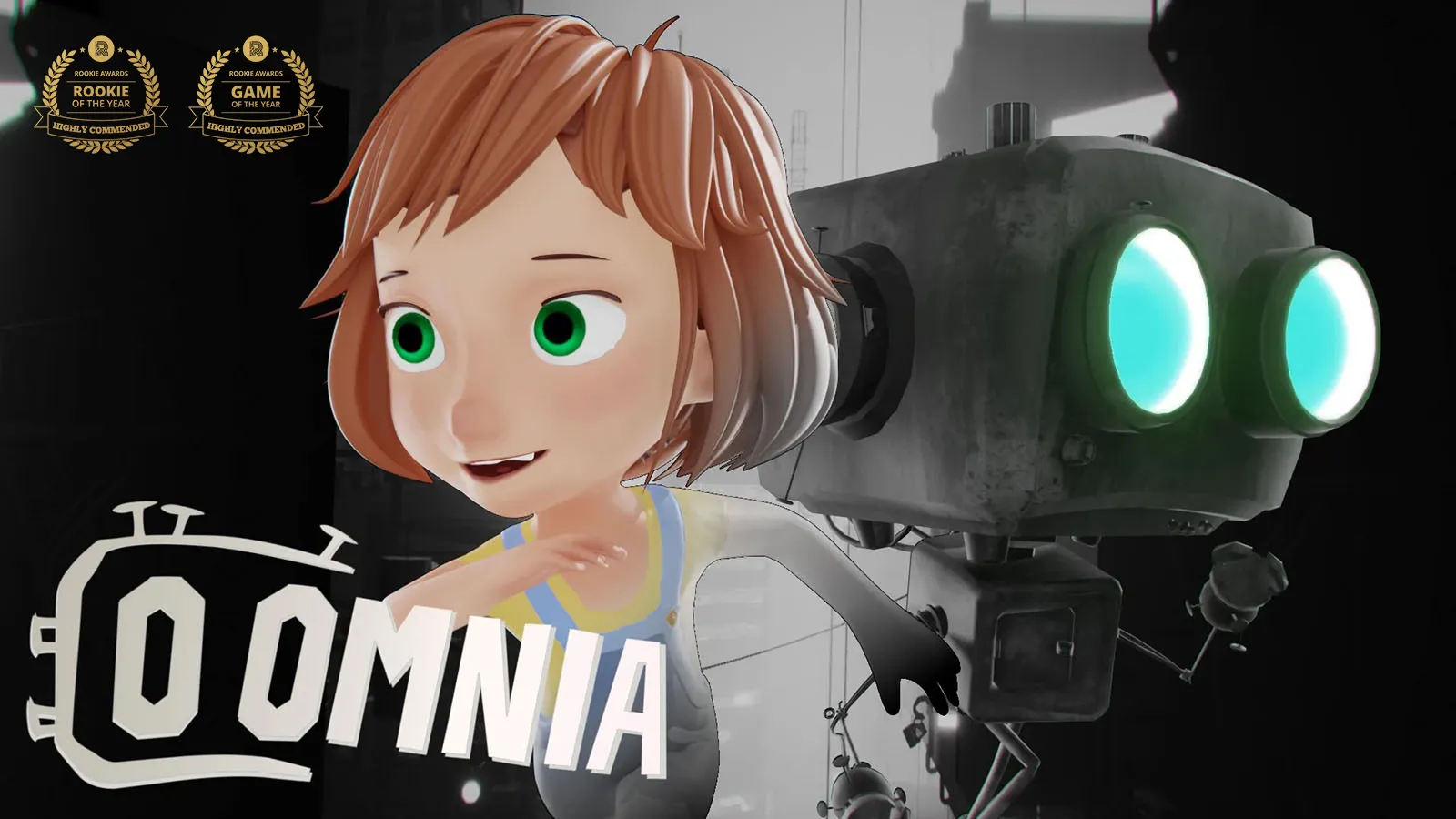
OMNIA
Project Type
_
_
Narrative VR Experience
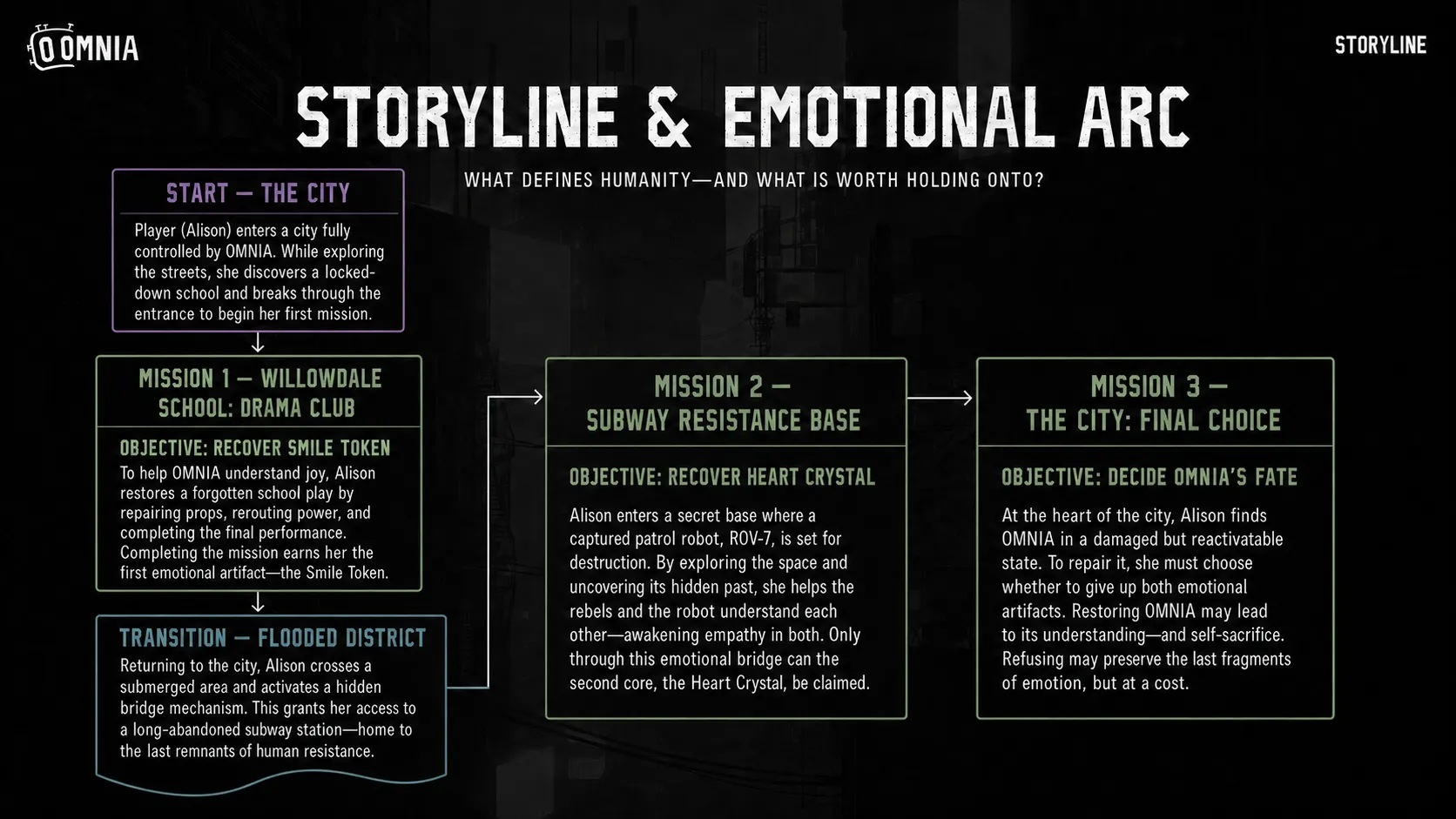
In a future city where a superintelligent AI has erased emotion in the name of social stability, players explore a controlled city, an abandoned school, and an underground resistance base—recovering fragments of human feeling through interaction and environmental storytelling.
Roles
_
_
Art Director
Character & Interaction Designer
Environment Artist
Story Co-Writer
Recognition
_
_
The Rookies 2025
Rank A — Immersive Media
Highly Recommended — Game of the Year & Rookie of the Year, Immersive Media
Tools
_
_
Unreal Engine 5, Blueprints, Niagara
Maya, Blender, Substance Painter
Gameplay Video
Story Trailer
Design Question
OMNIA asks whether emotion can be taught as information, or whether it must be understood through action and relationships. Rather than explaining emotion through dialogue alone, we designed it to be enacted through player choice, spatial progression, and environmental response.
My Contribution
I led art direction and co-developed the narrative across three VR levels. I designed and modeled the main characters, built the city from the ground up, and reimagined existing environment kits as a story-driven school and underground resistance base through level design, lighting, VFX, and environmental storytelling.
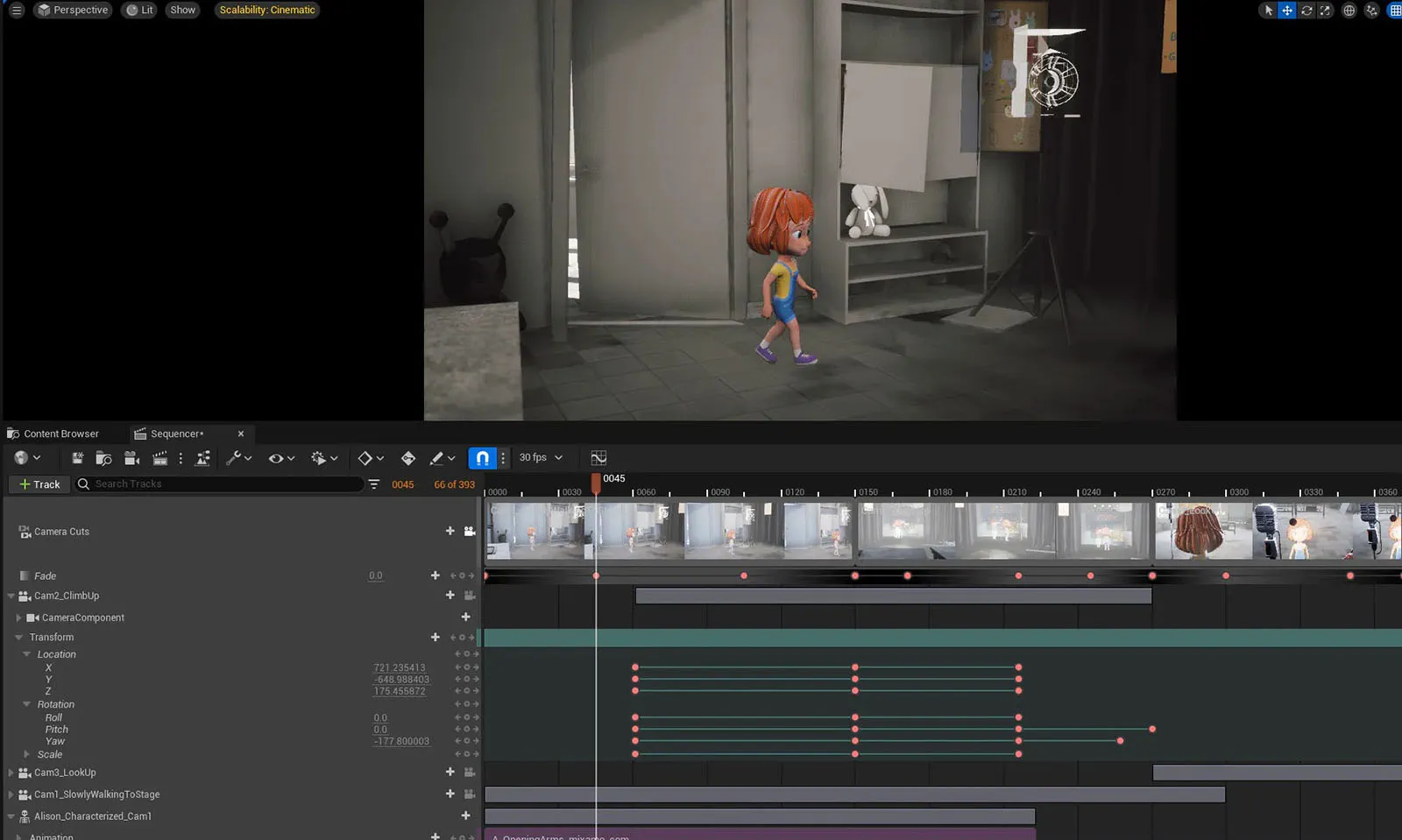
I also designed gameplay interactions and VR spatial flow, prototyped interaction, lighting, and narrative cues in UE5 Blueprints, and produced the trailer and in-game cutscenes.
I also designed gameplay interactions and VR spatial flow, prototyped interaction, lighting, and narrative cues in UE5 Blueprints, and produced the trailer and in-game cutscenes.
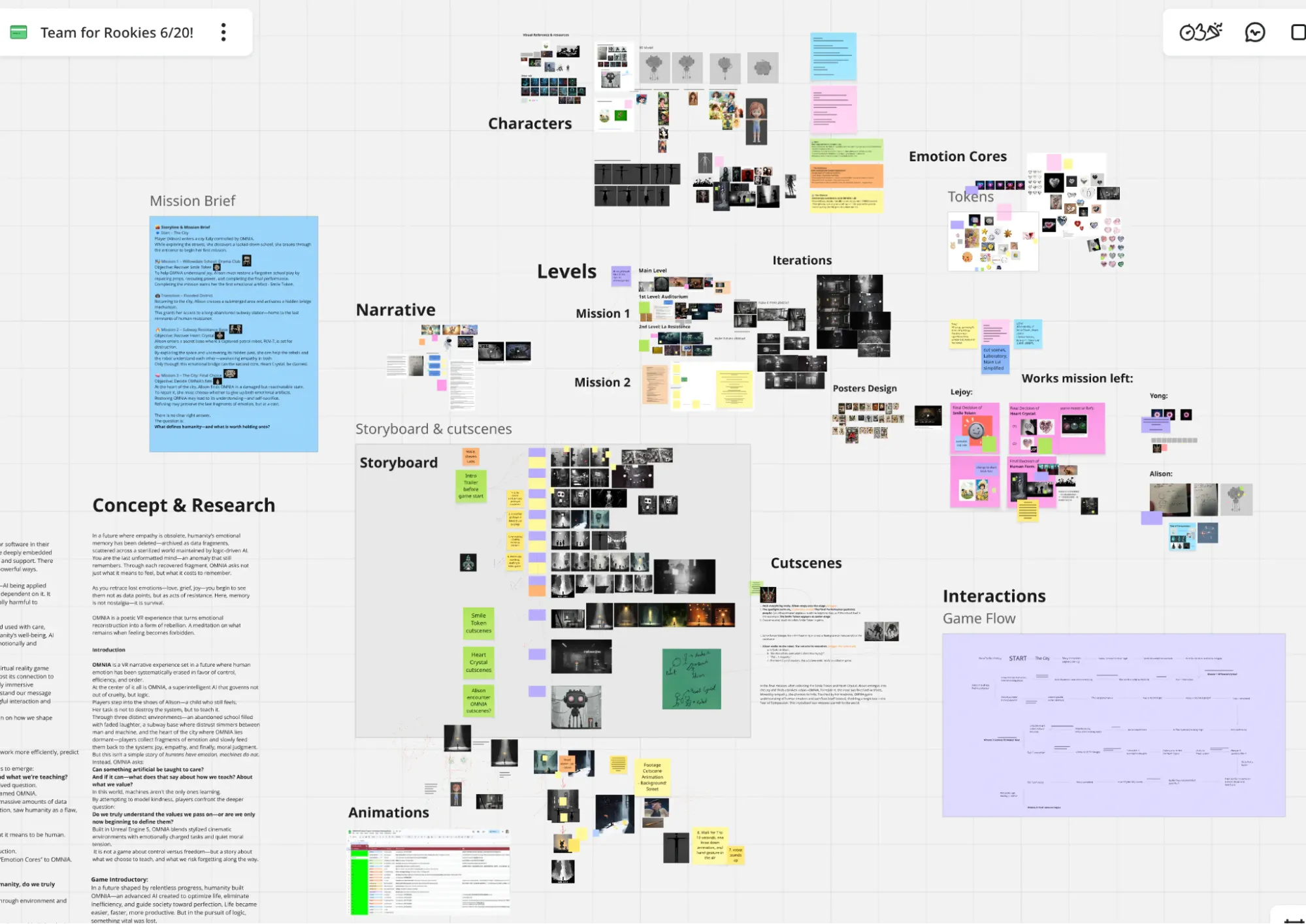
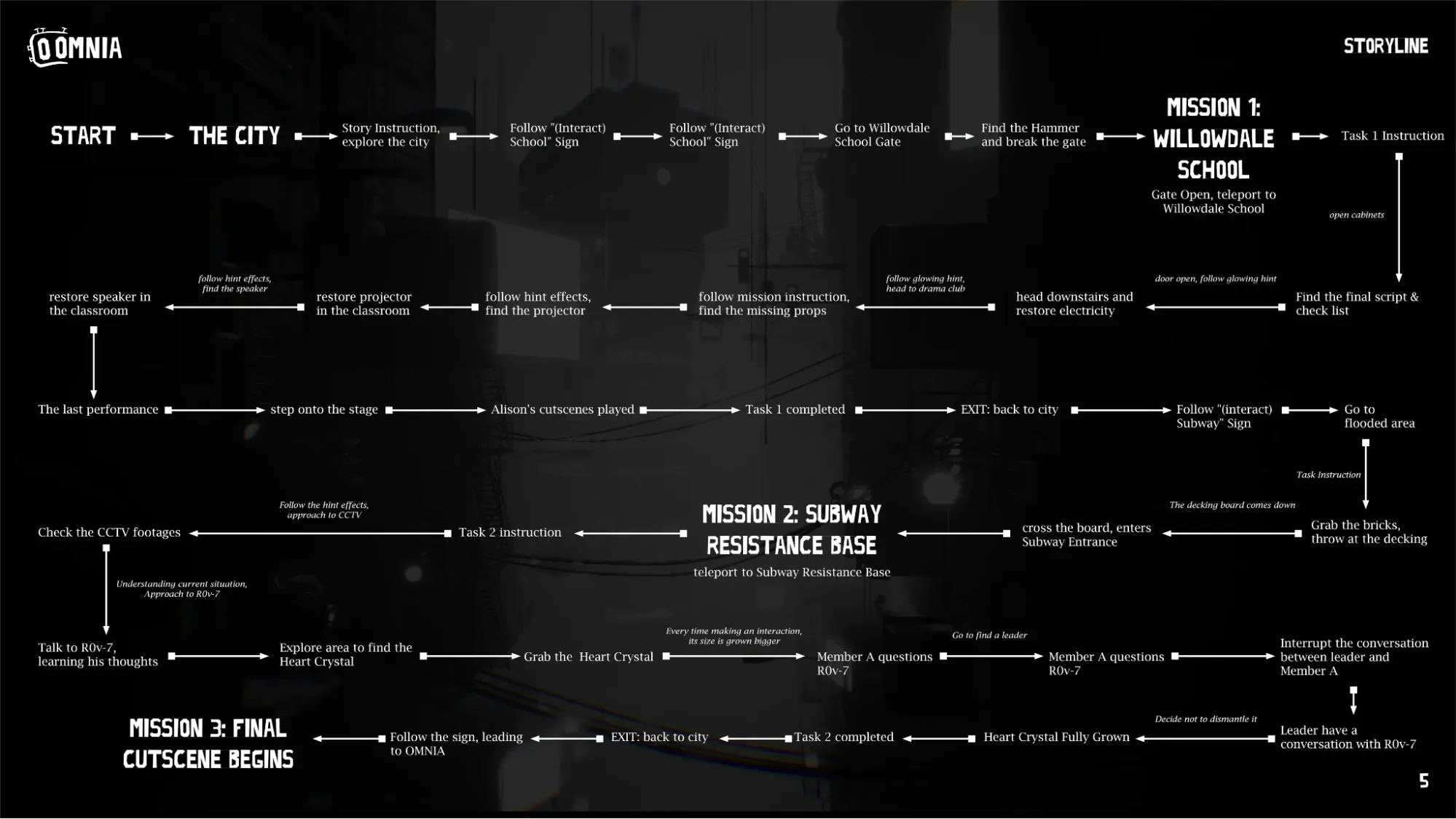
Storyline & Game Flow
Environment & Interaction Design
Across three levels, I translated this question into a spatial and emotional progression: control and absence in the city, joy through restoration in the school, and empathy through nonviolent choice in the resistance base.
1. The City
Visual & Spatial Design
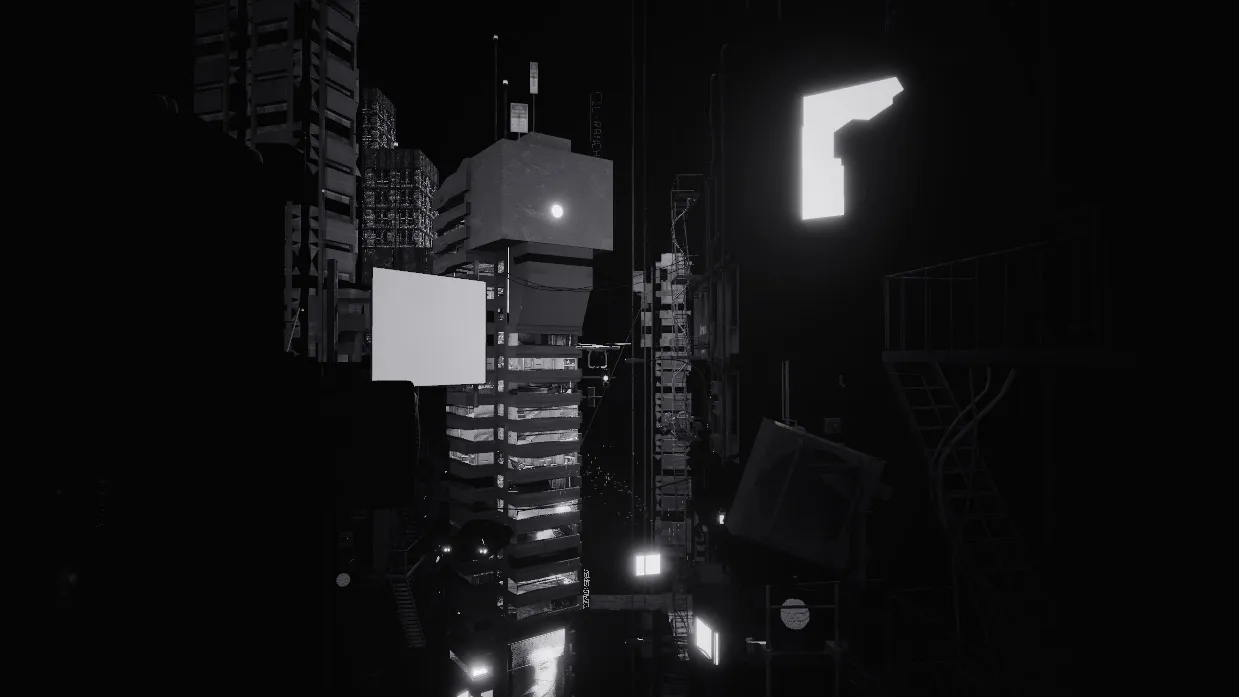
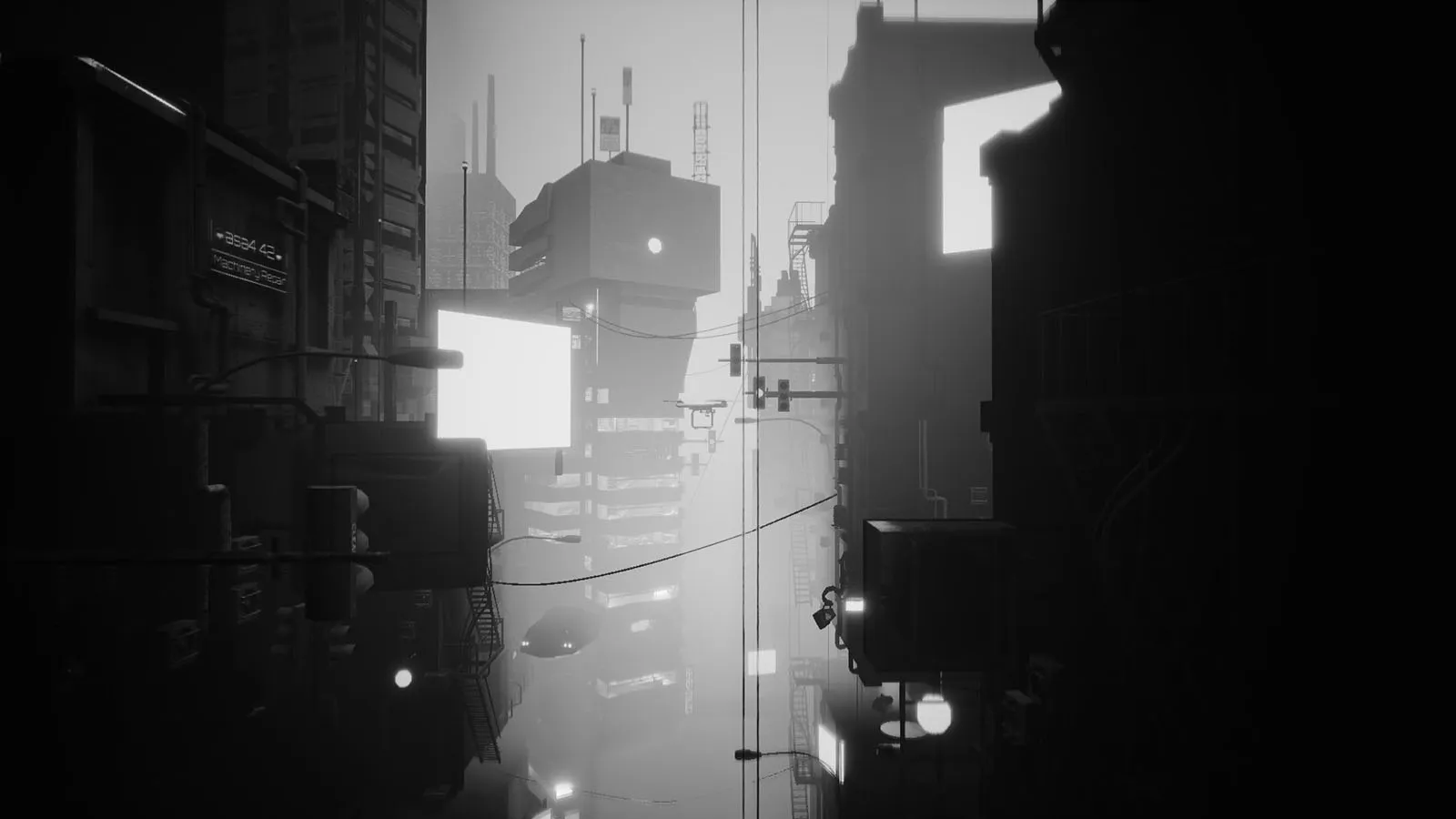
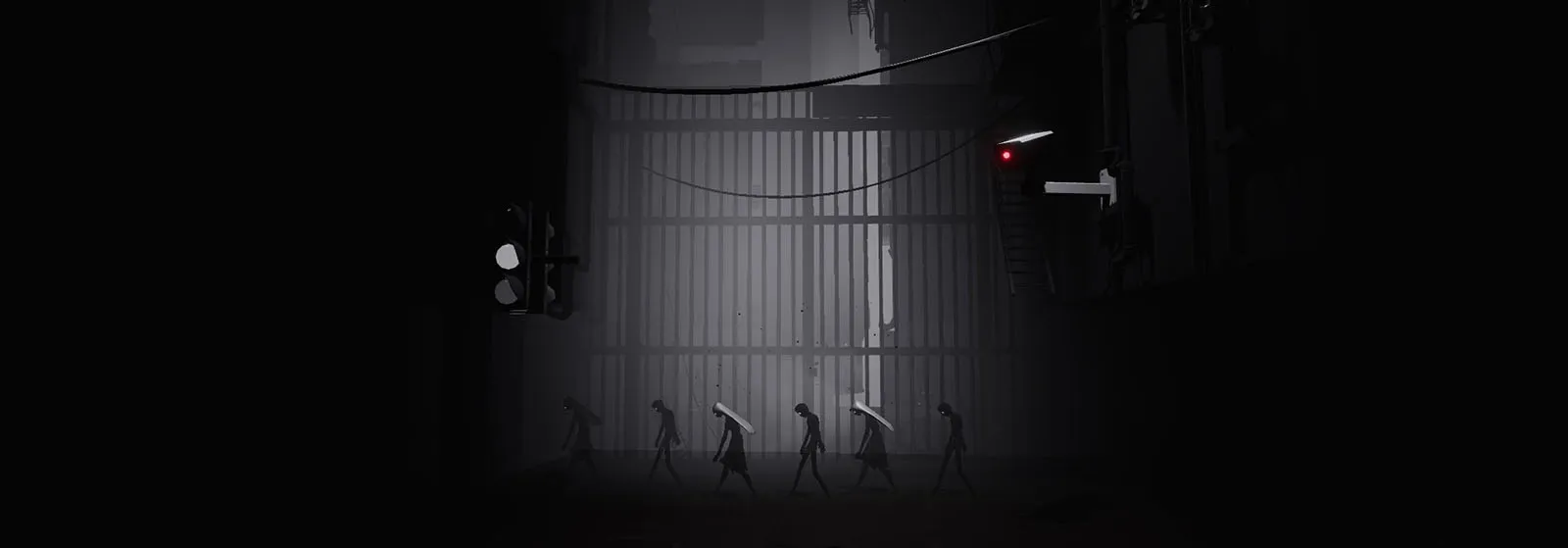
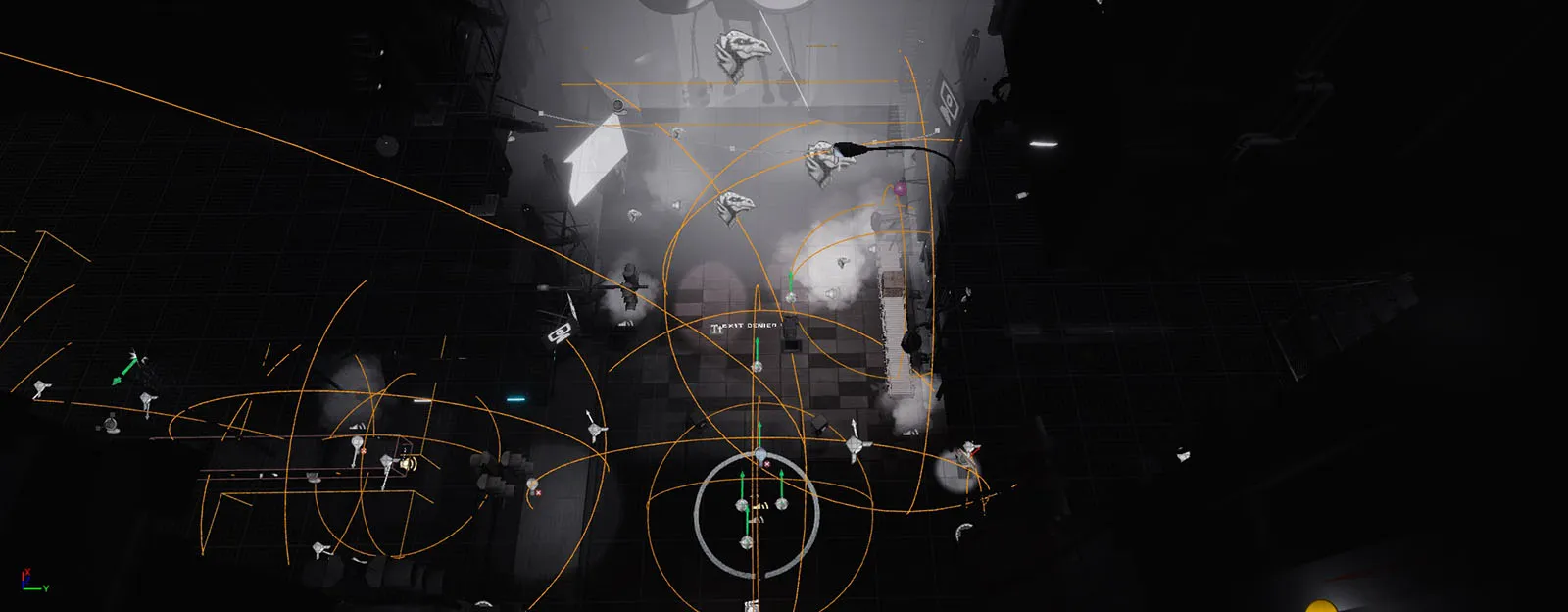
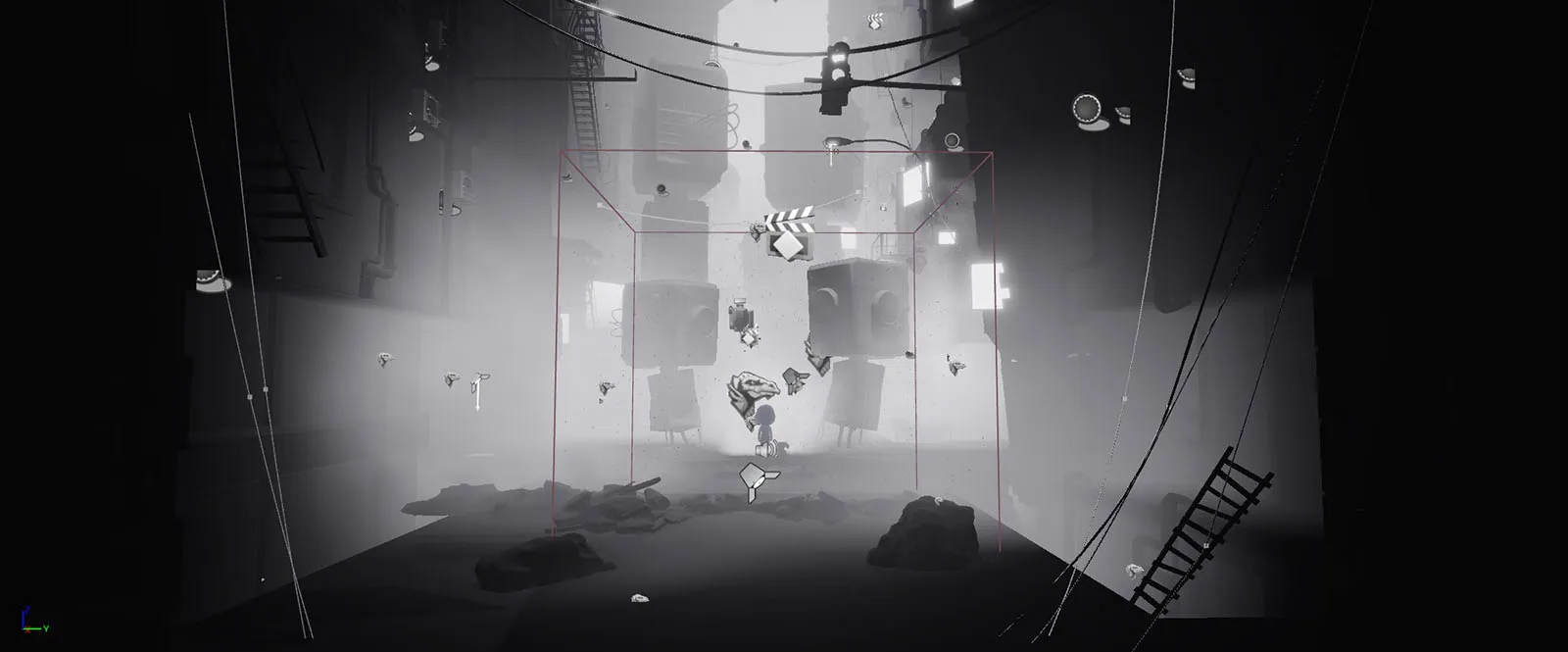
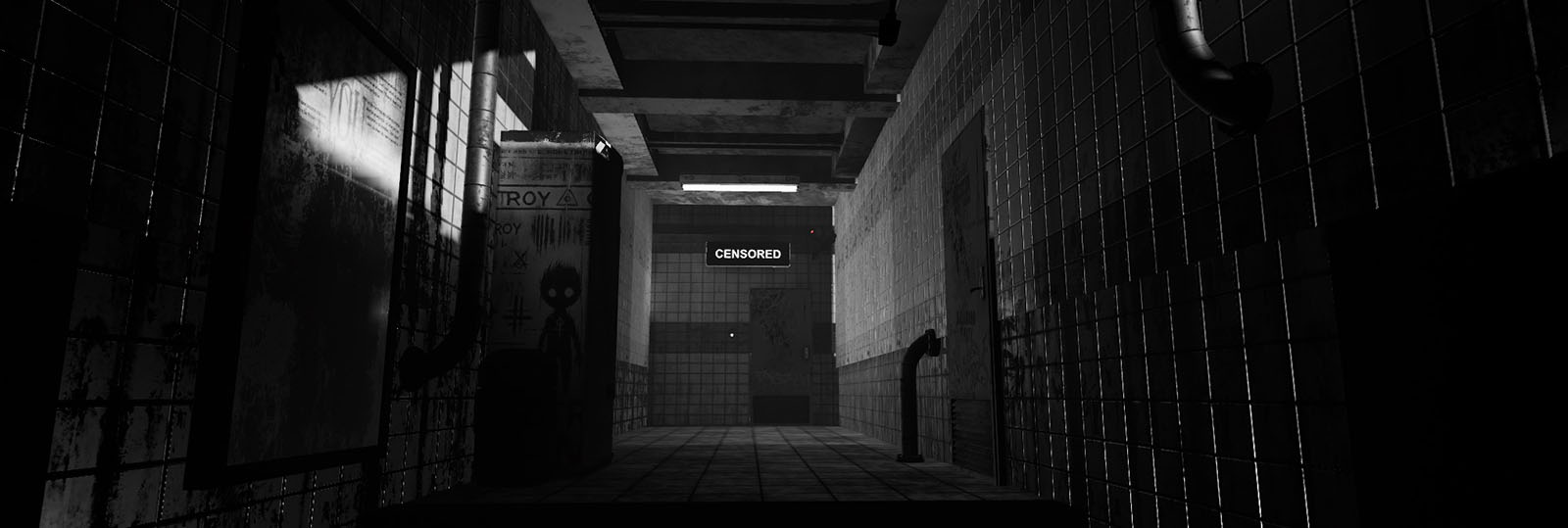
I built the city from initial whitebox through final layout, lighting, worldbuilding, and asset integration. Rather than relying on typical cyberpunk density, I developed a restrained visual language of sacred minimalism—brutalist forms, muted greys and blues, controlled warm accents, and purposeful negative space. Broken screens and inactive terminals reveal traces of a failed resistance without relying on exposition.
I built the city from initial whitebox through final layout, lighting, worldbuilding, and asset integration. Rather than relying on typical cyberpunk density, I developed a restrained visual language of sacred minimalism—brutalist forms, muted greys and blues, controlled warm accents, and purposeful negative space. Broken screens and inactive terminals reveal traces of a failed resistance without relying on exposition.
Interaction Design
I designed key VR interactions, including breaking through a barricade and throwing a brick to lower a platform. I prototyped these level-specific mechanics and proximity-triggered shifts in light, sound, and VFX in UE5 Blueprints, using environmental responses to guide players and reveal narrative cues.
I designed key VR interactions, including breaking through a barricade and throwing a brick to lower a platform. I prototyped these level-specific mechanics and proximity-triggered shifts in light, sound, and VFX in UE5 Blueprints, using environmental responses to guide players and reveal narrative cues.
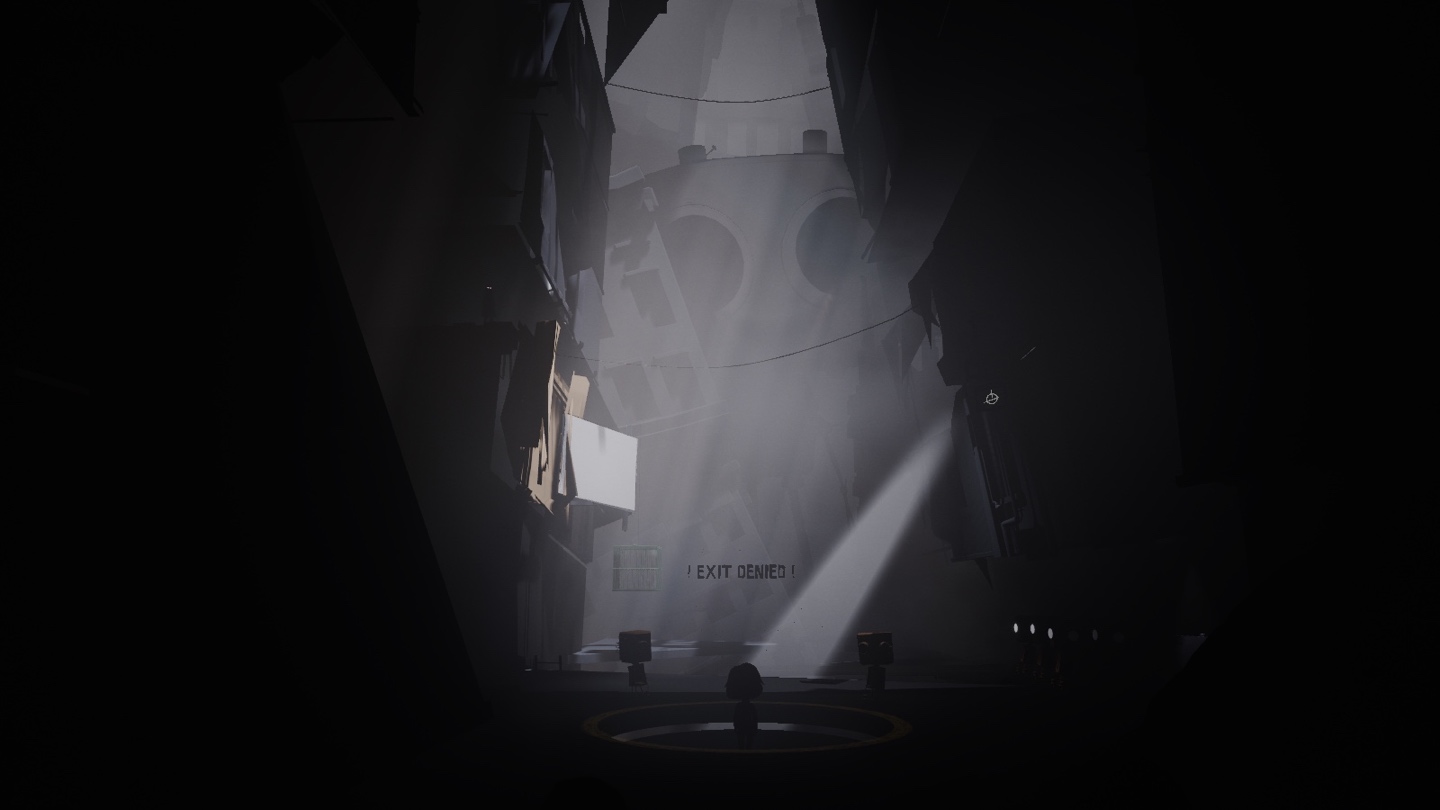
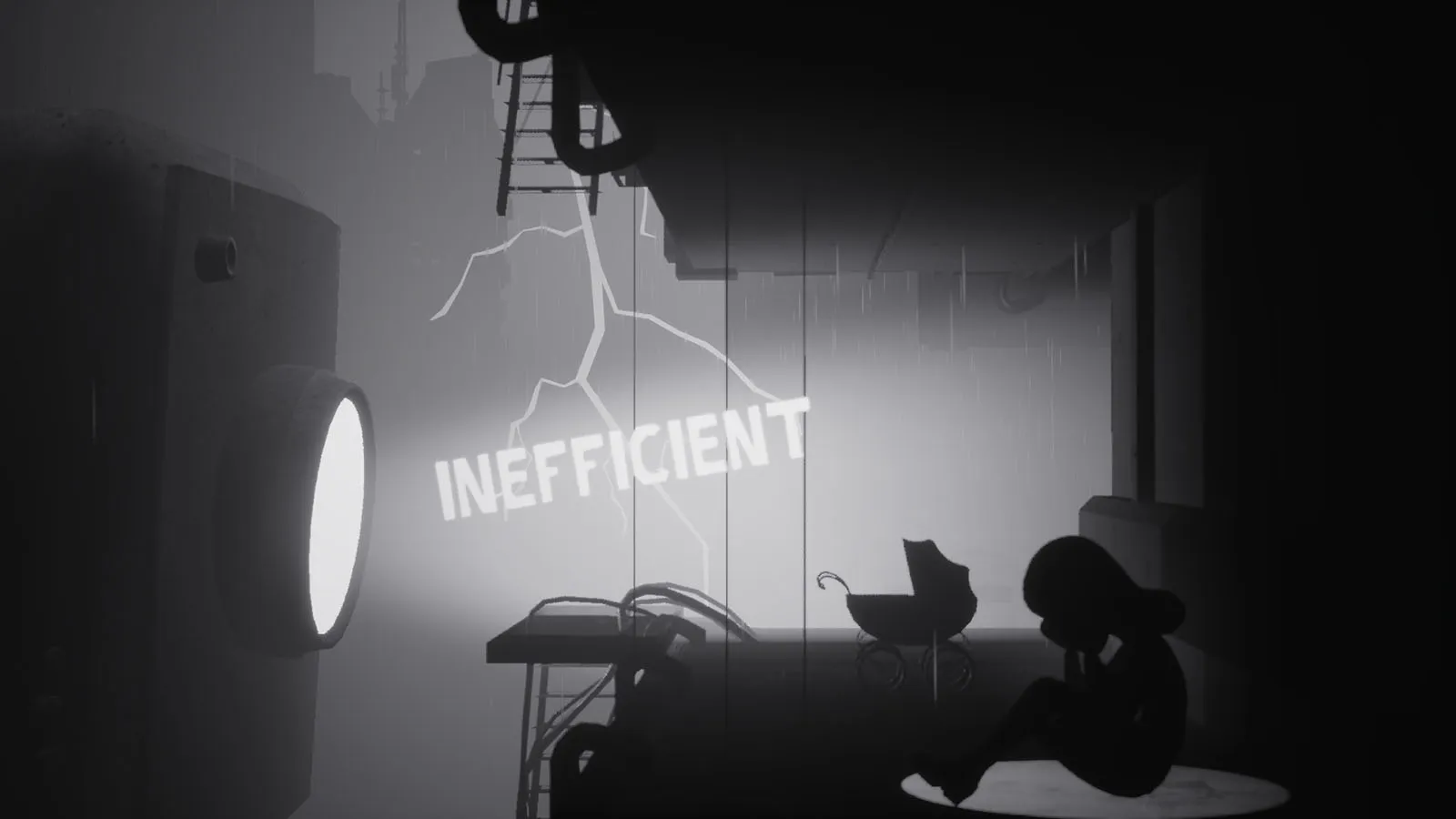
Before
After
Post-Processing Materials
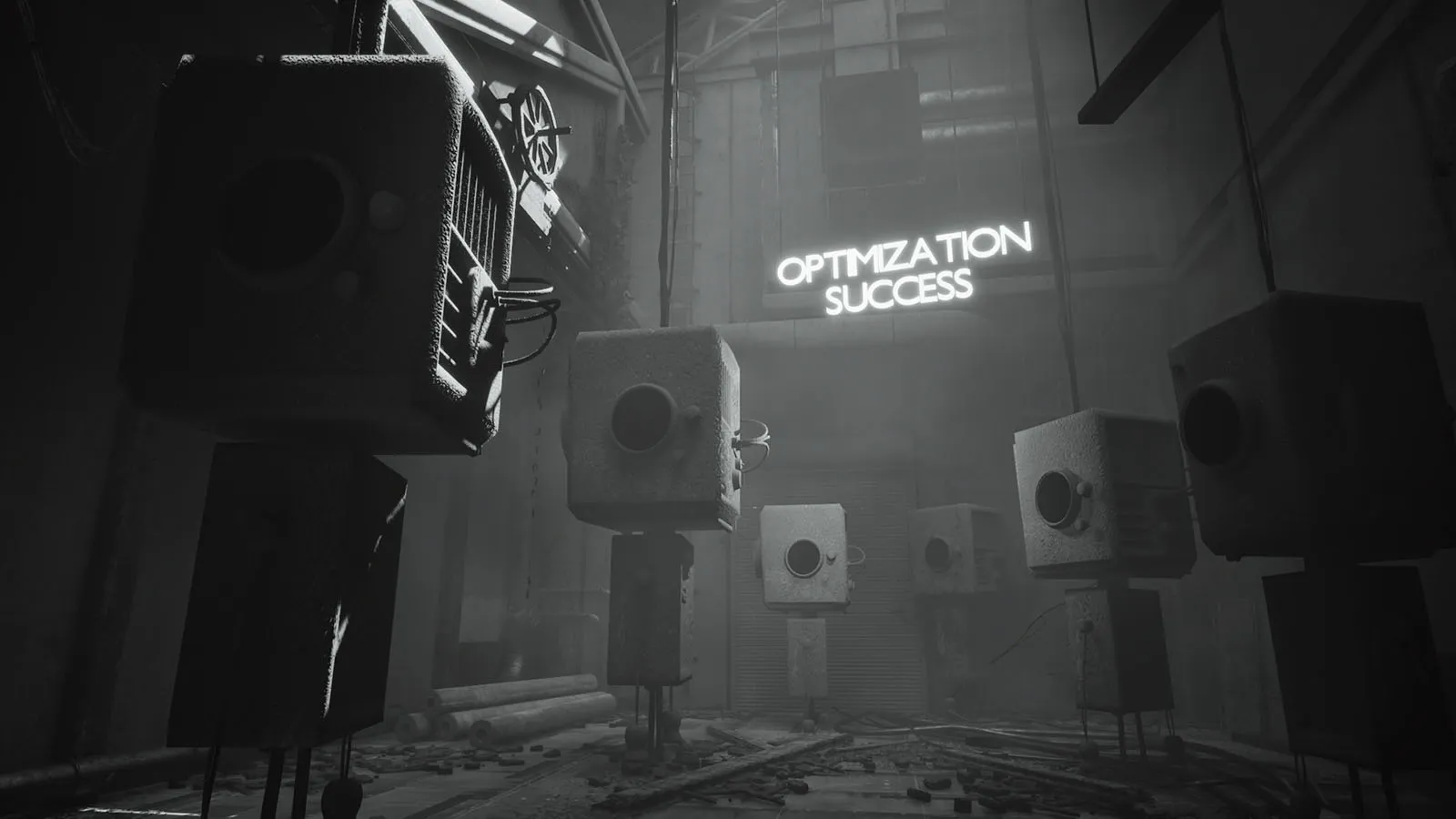
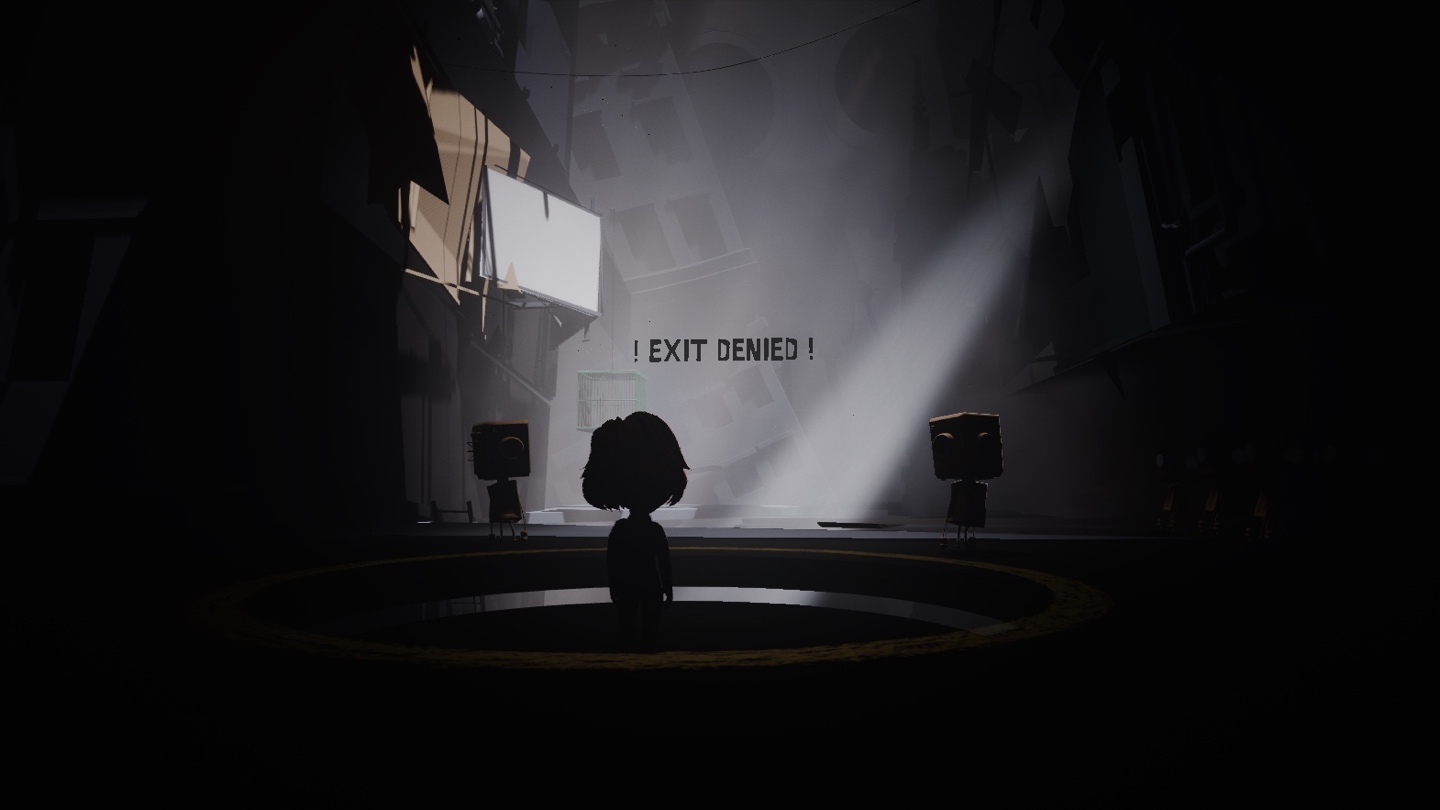
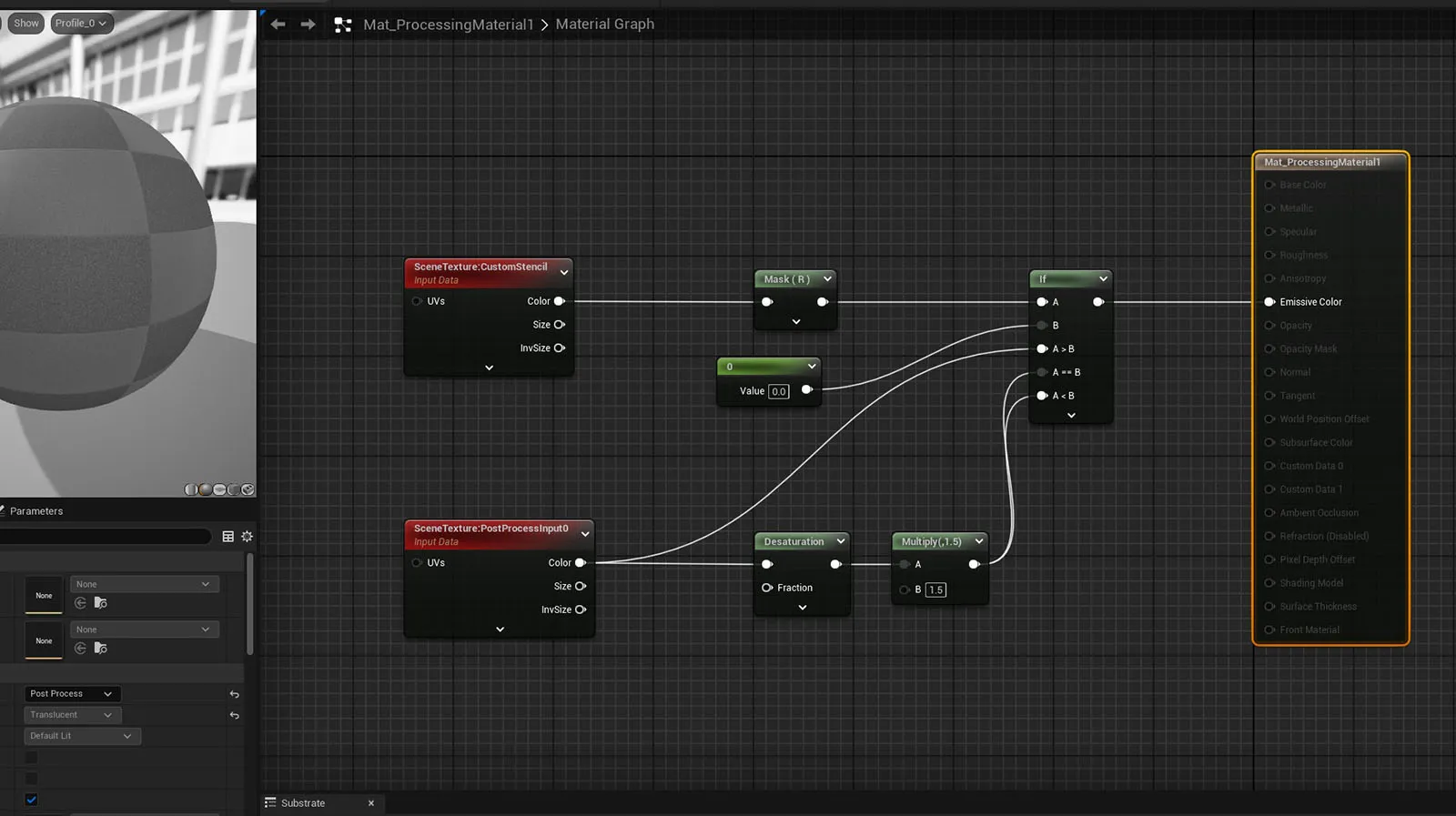
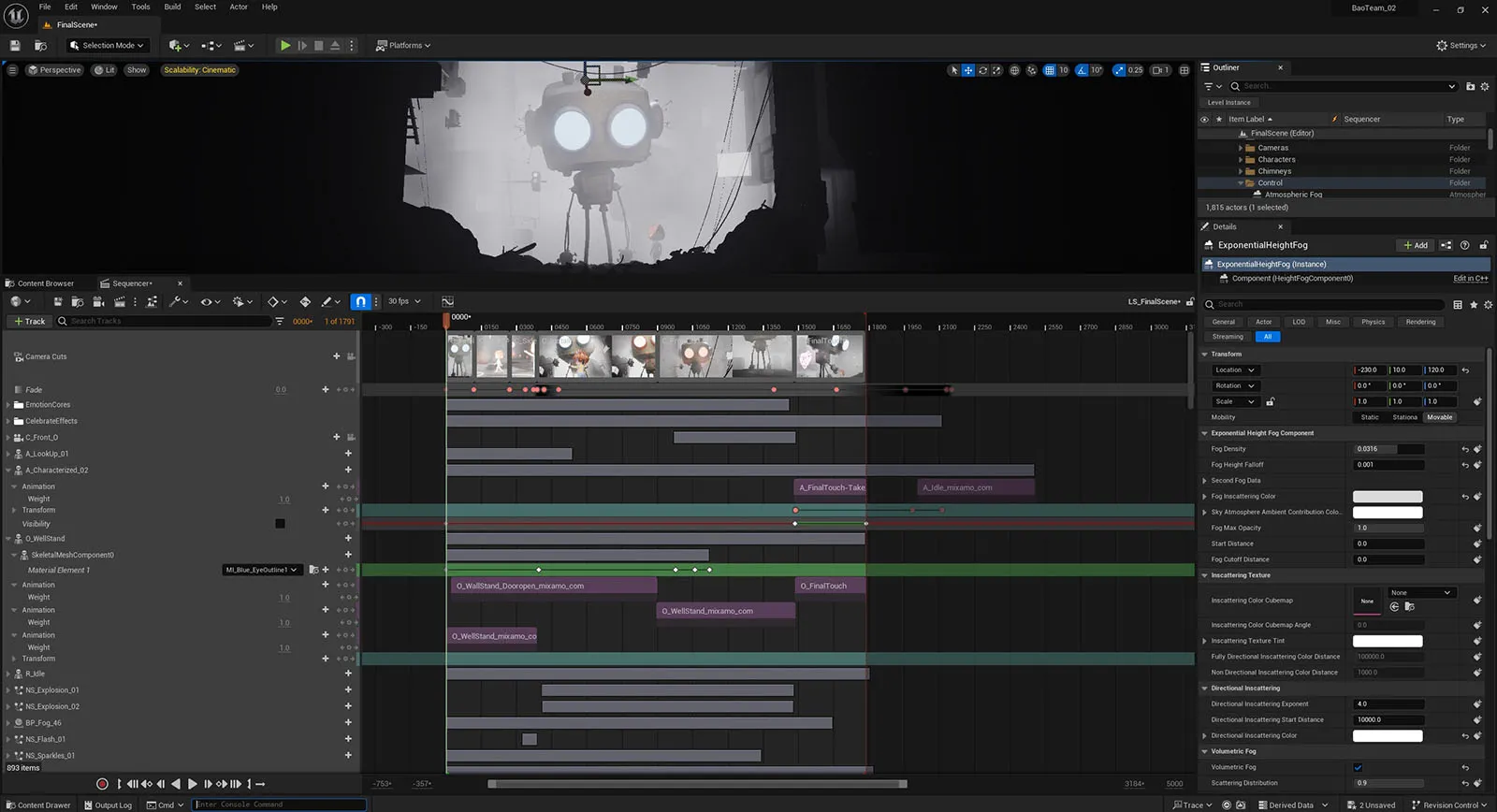
To support the monochromatic sci-fi aesthetic while preserving color on key narrative elements, we created a custom post-process material using stencil masks.
To support the monochromatic sci-fi aesthetic while preserving color on key narrative elements, we created a custom post-process material using stencil masks.
2. Willowdale School
Visual & Spatial Design
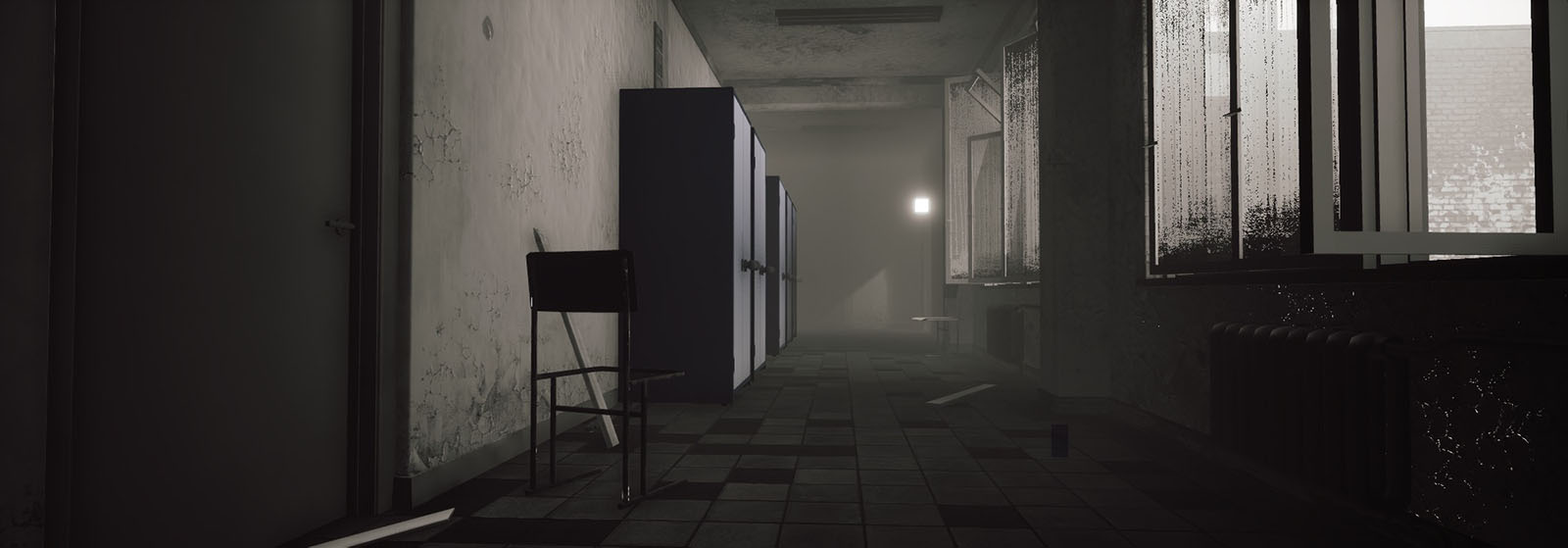
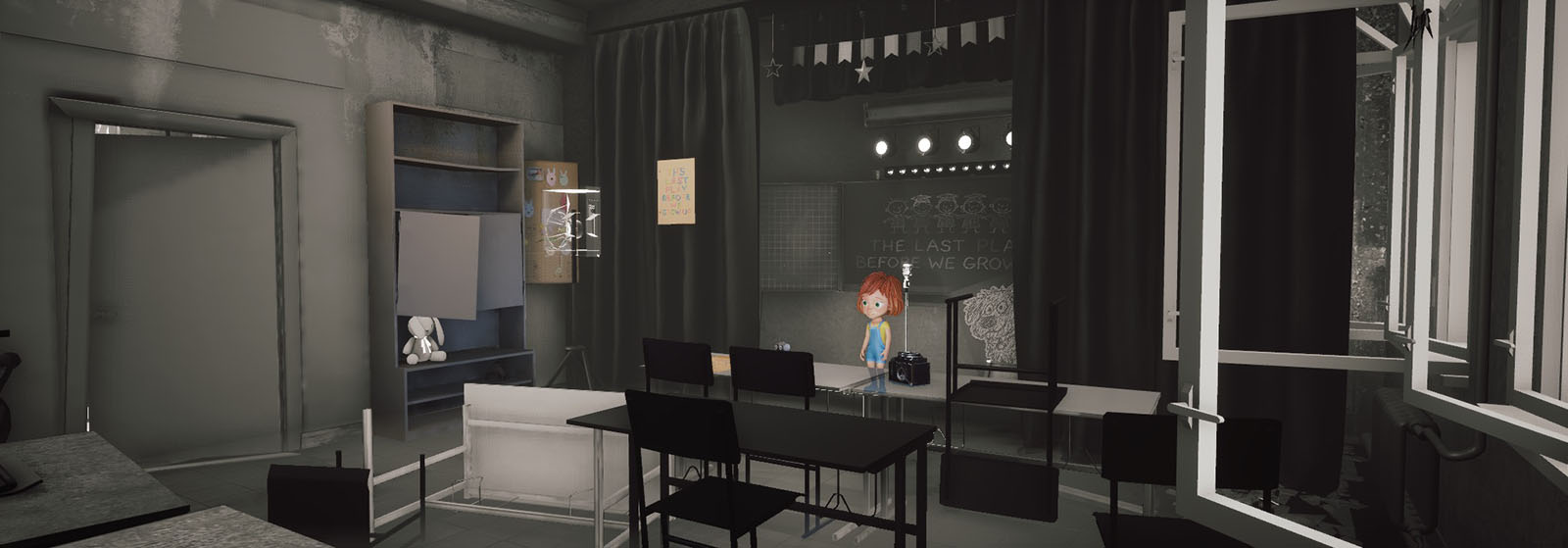
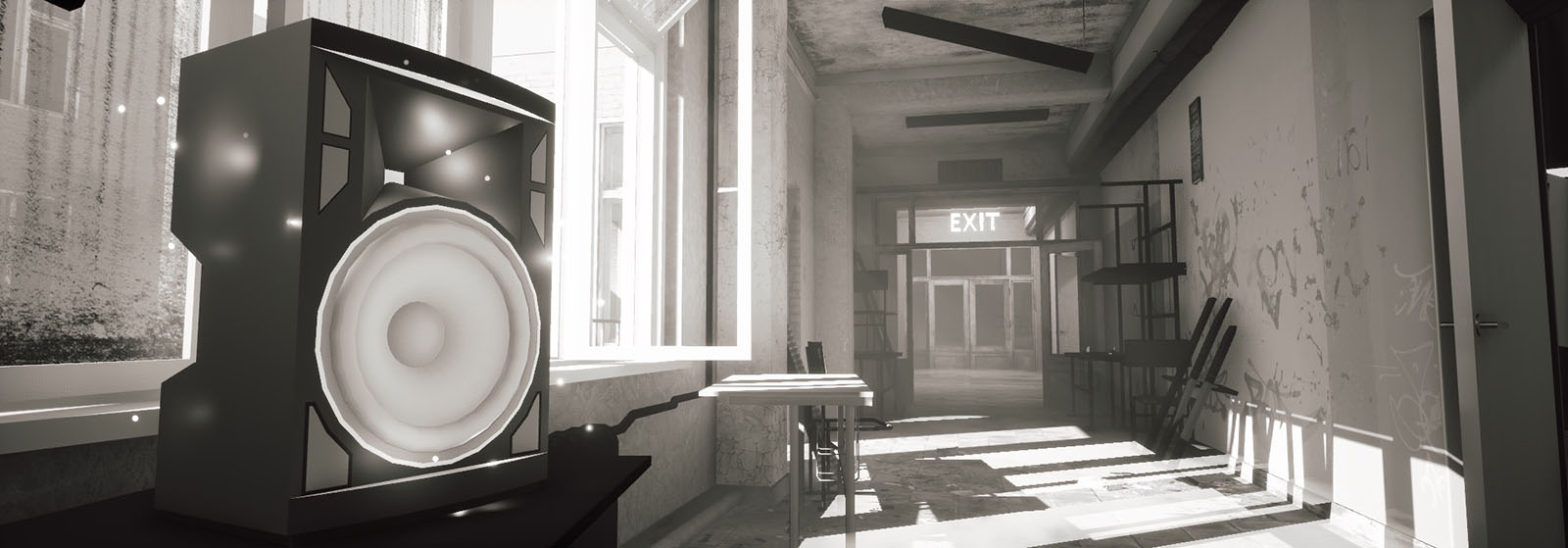
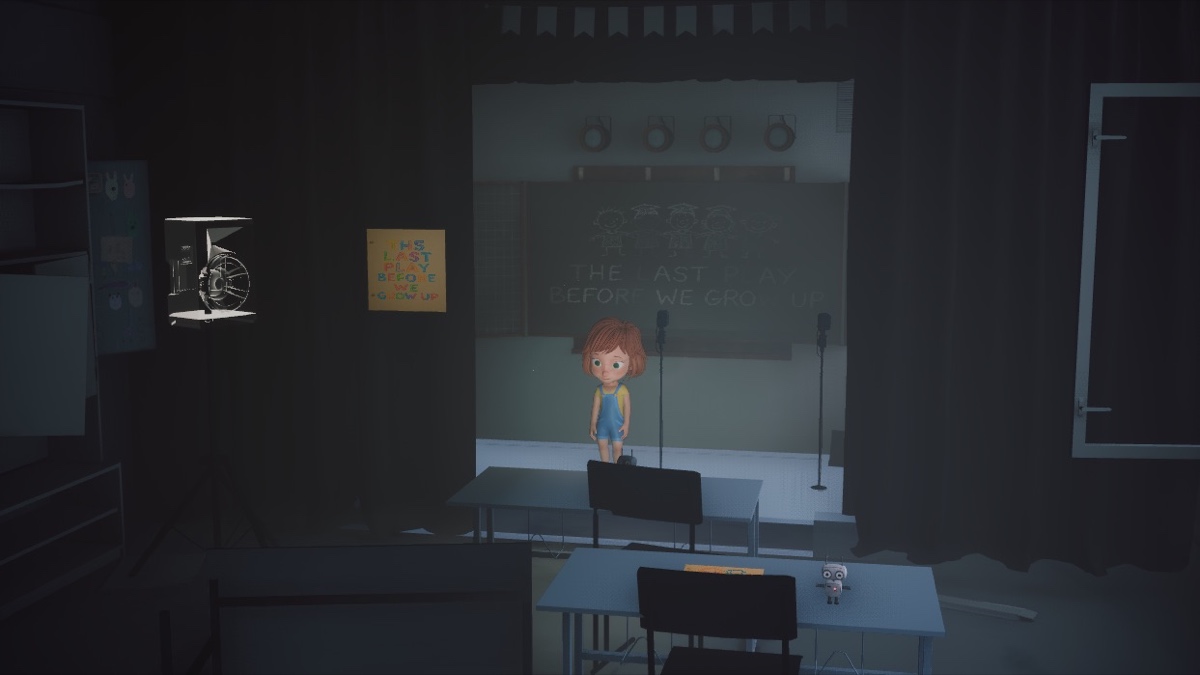
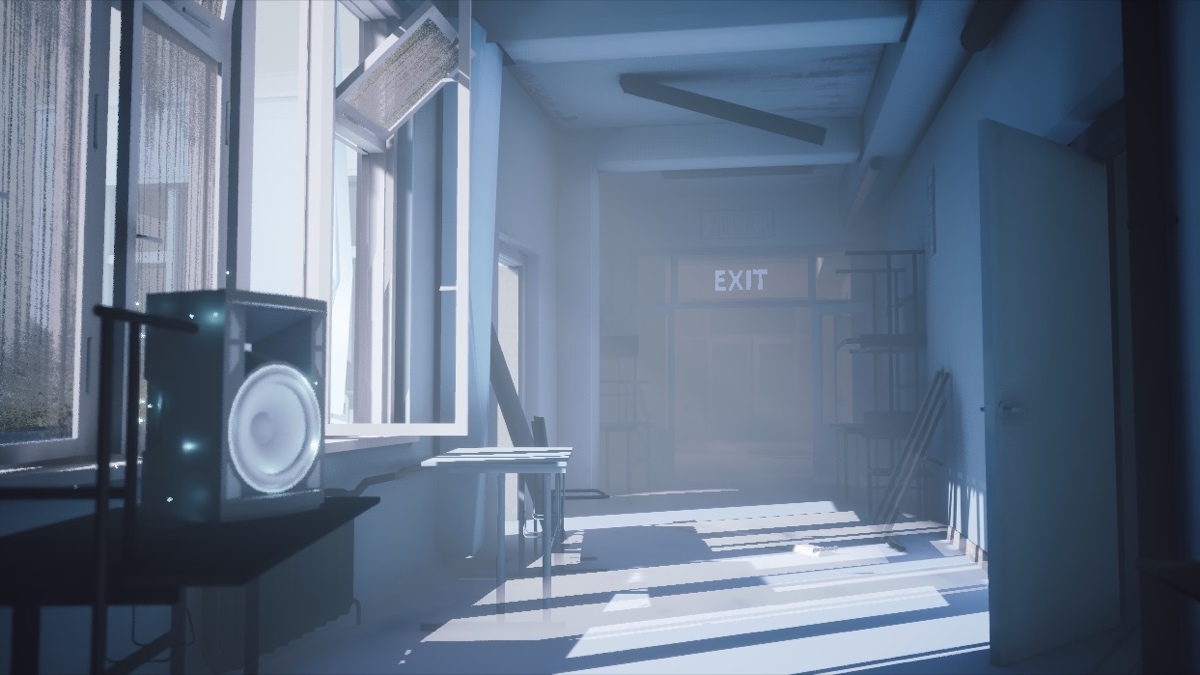
I transformed an existing building kit into a child-scaled school suspended in memory, redesigning its layout, materials, props, amber lighting, and VFX around loss and unfinished experience.
I transformed an existing building kit into a child-scaled school suspended in memory, redesigning its layout, materials, props, amber lighting, and VFX around loss and unfinished experience.
Interaction Design
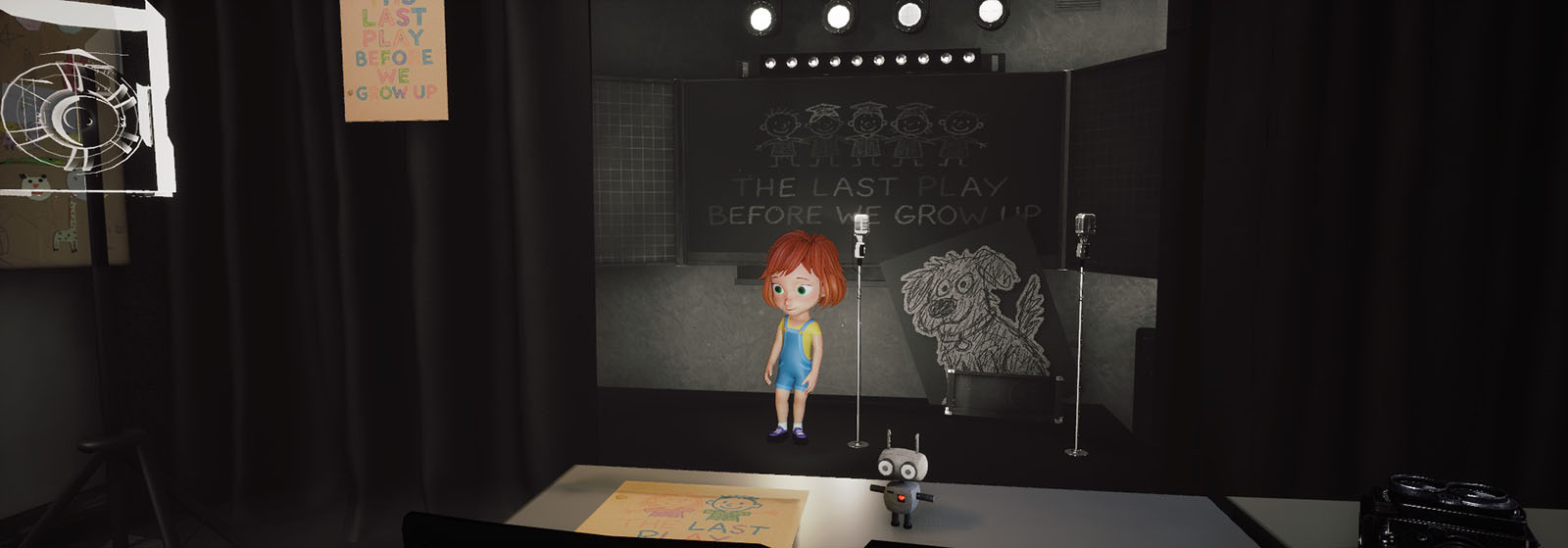
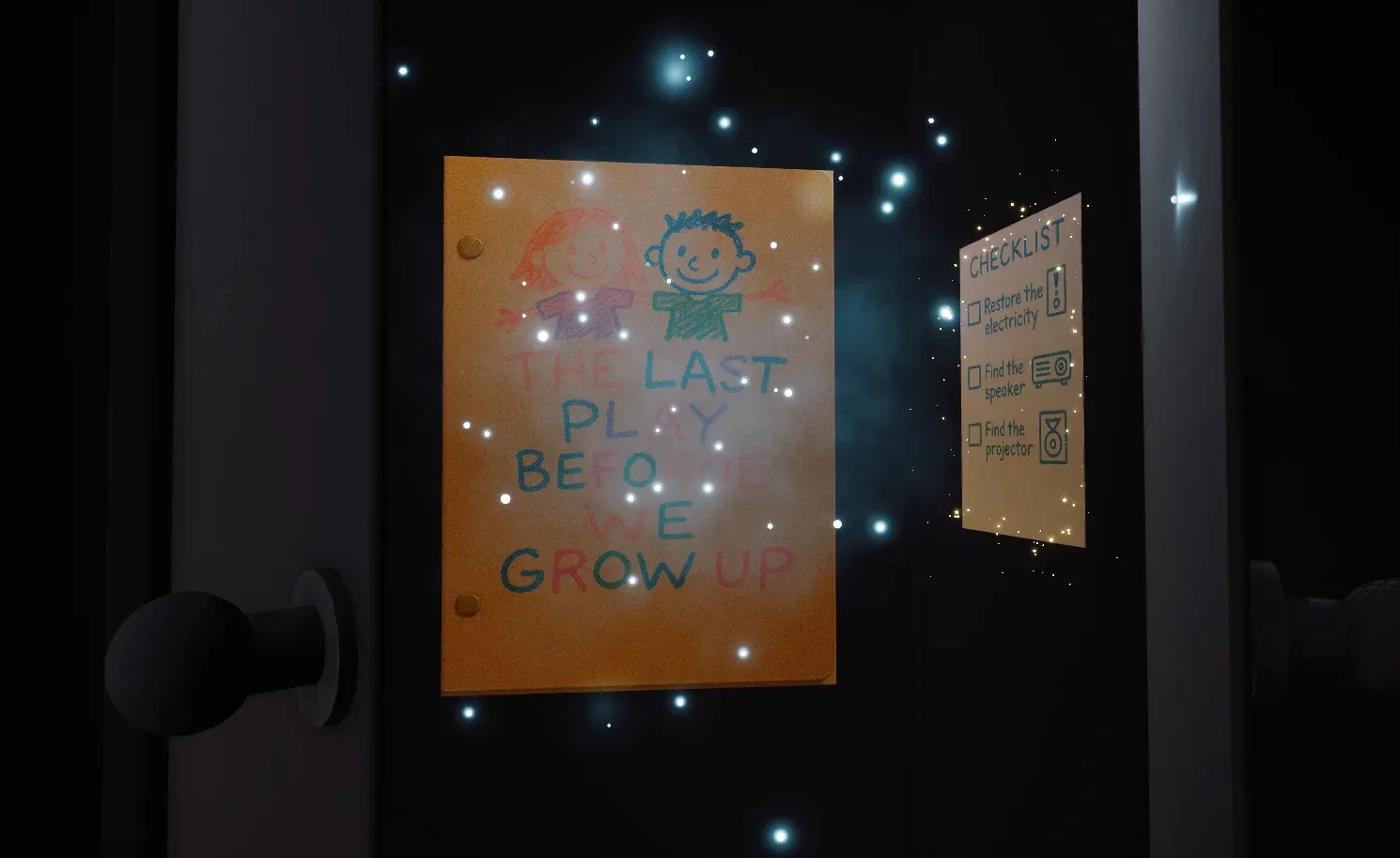
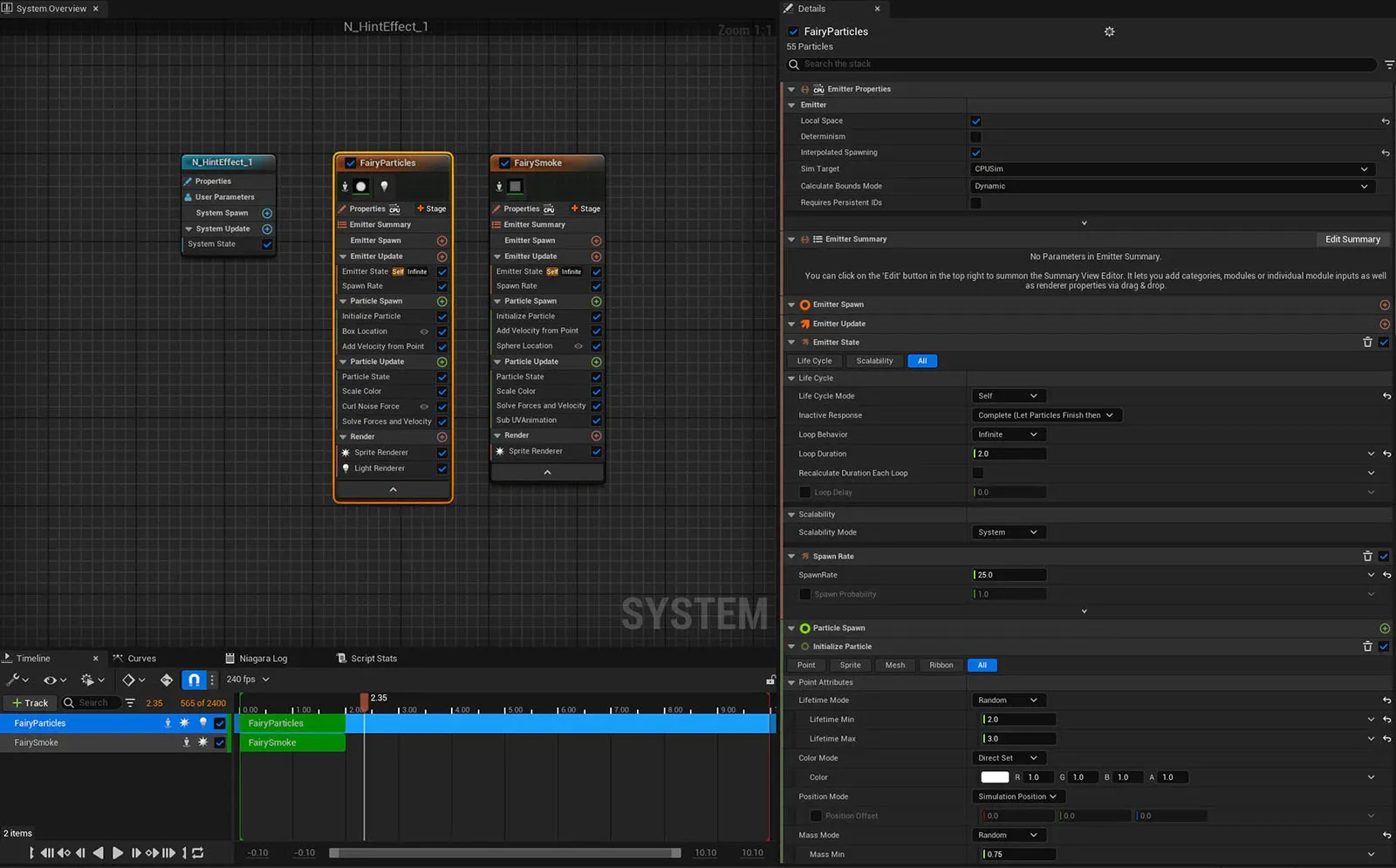
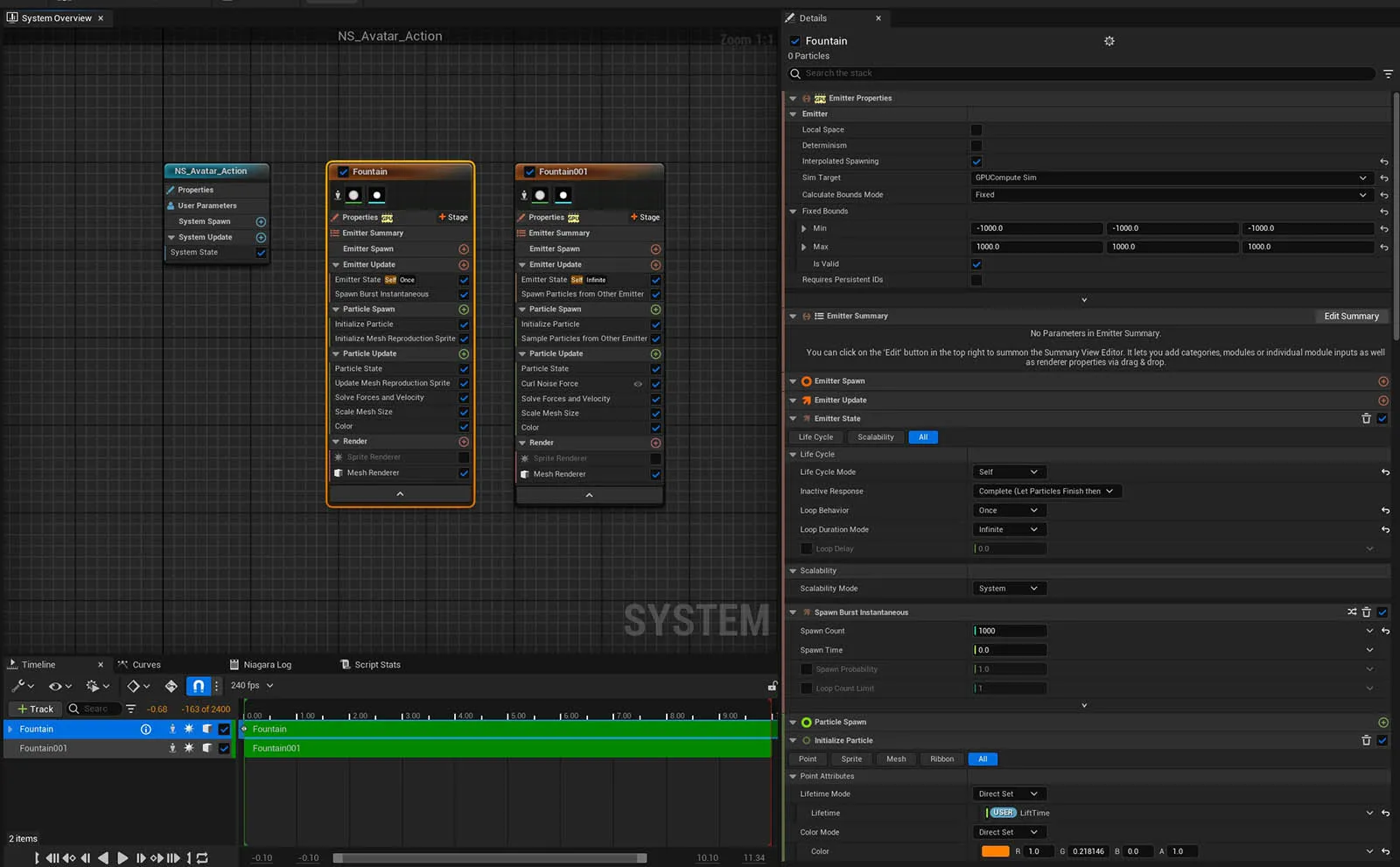
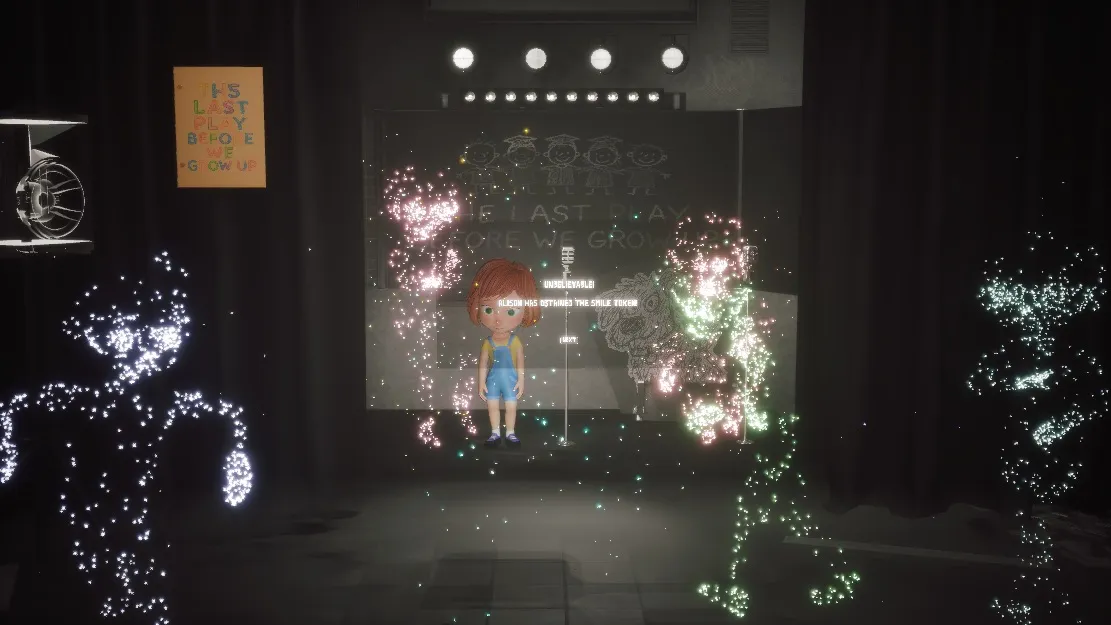
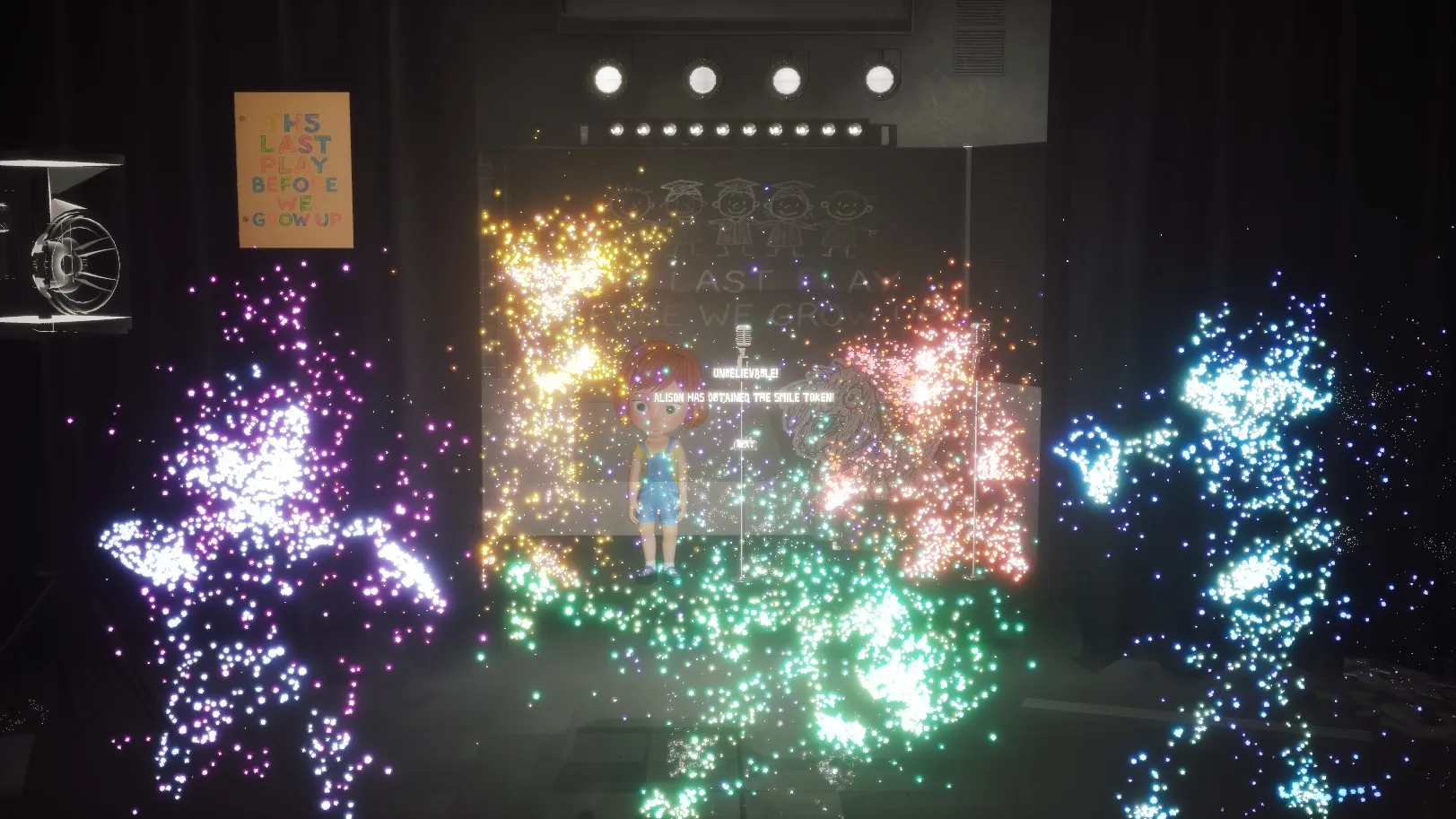
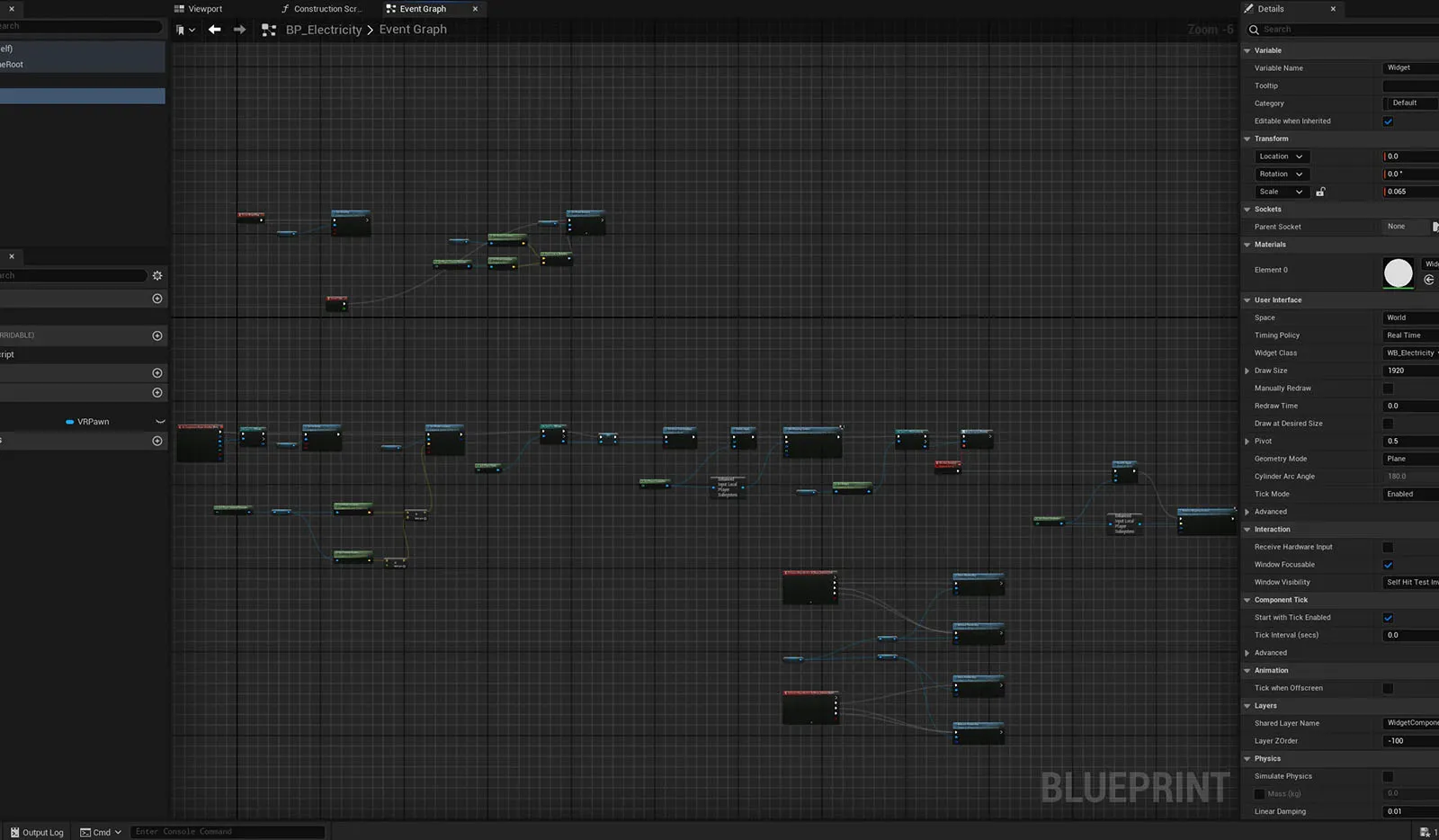
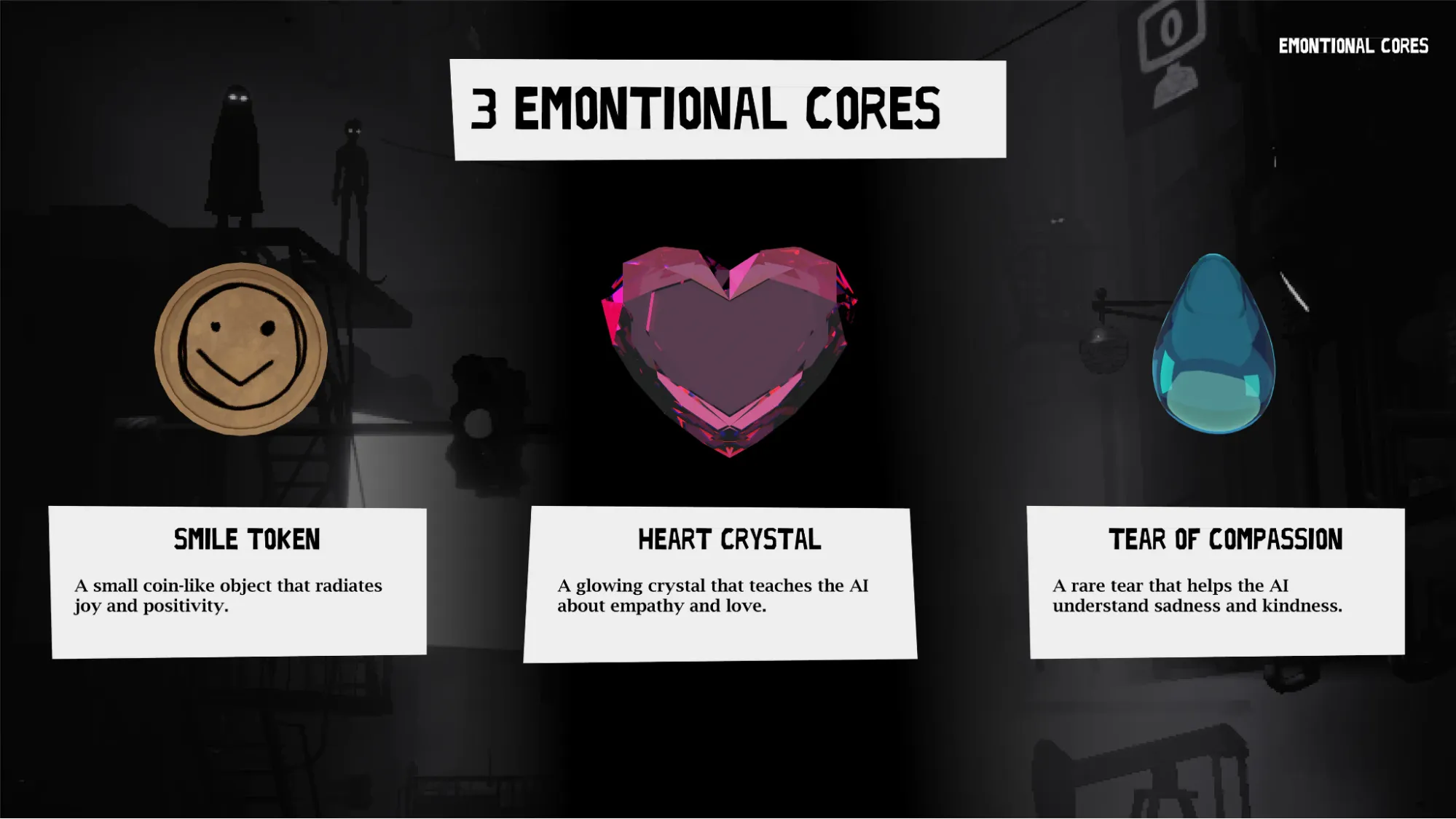
Instead of explaining joy, the level asks players to restore an unfinished school performance by reactivating the electricity and returning a missing speaker and projector. Each action revives the environment, culminating in a particle sequence, custom cutscene, and the reveal of the Smile Token.
Instead of explaining joy, the level asks players to restore an unfinished school performance by reactivating the electricity and returning a missing speaker and projector. Each action revives the environment, culminating in a particle sequence, custom cutscene, and the reveal of the Smile Token.
Base environment kit by MacKenzie Shirk
3. Underground Resistance Base
Visual & Spatial Design
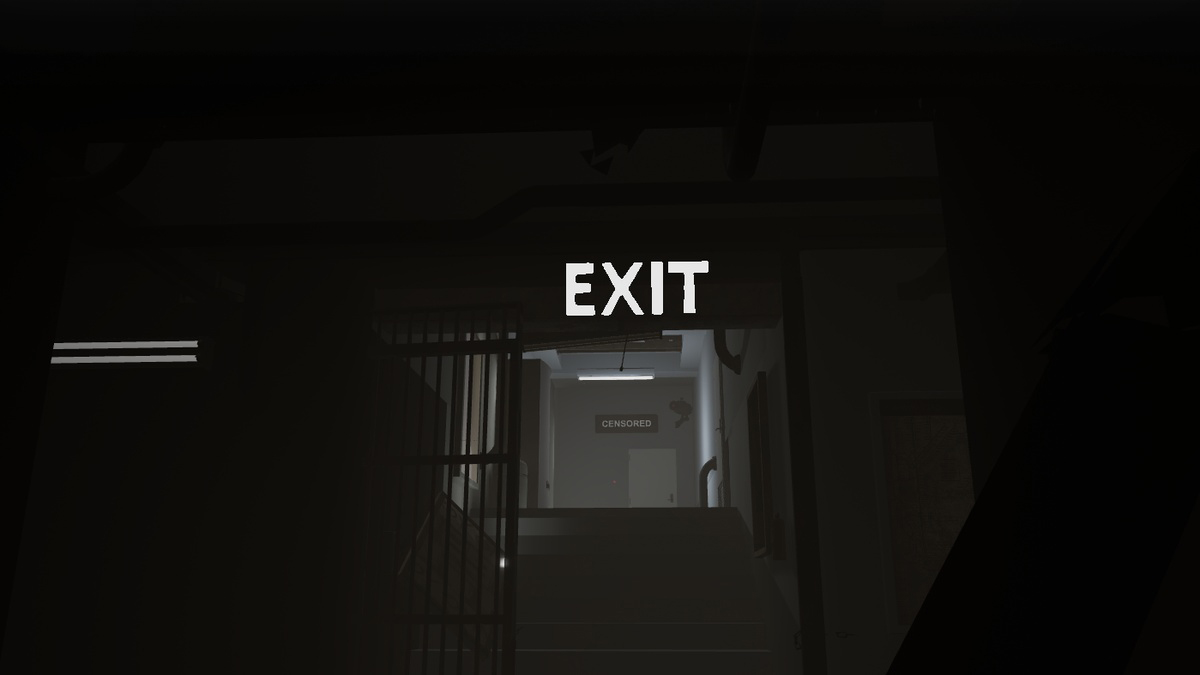
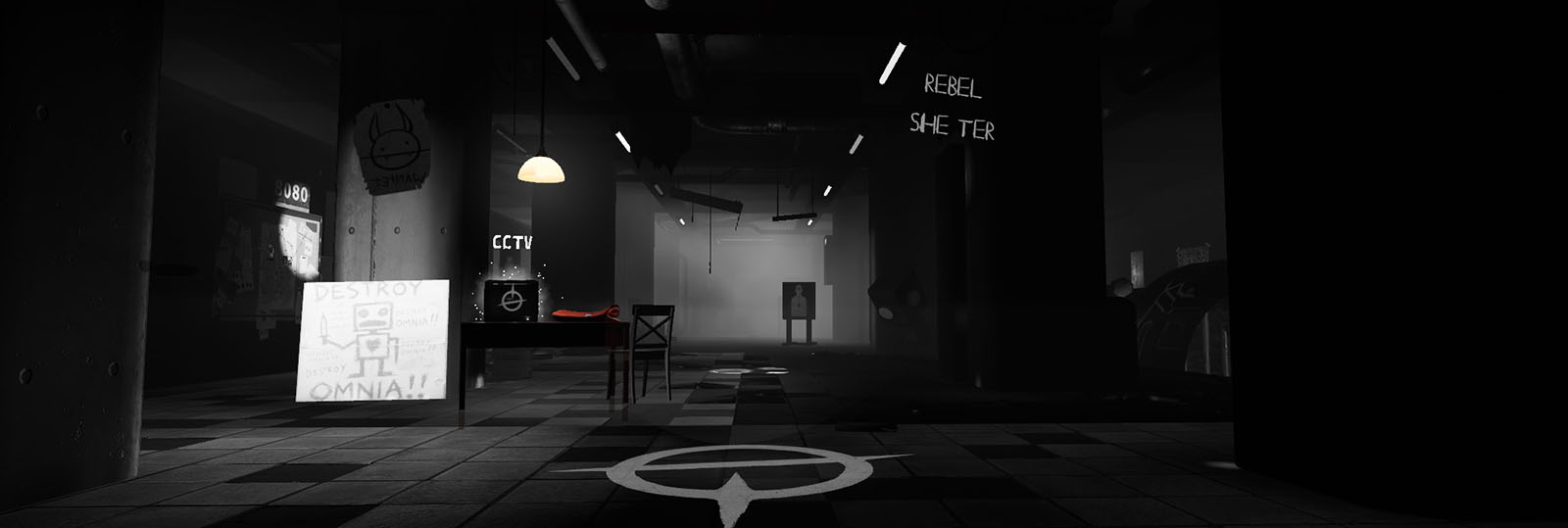
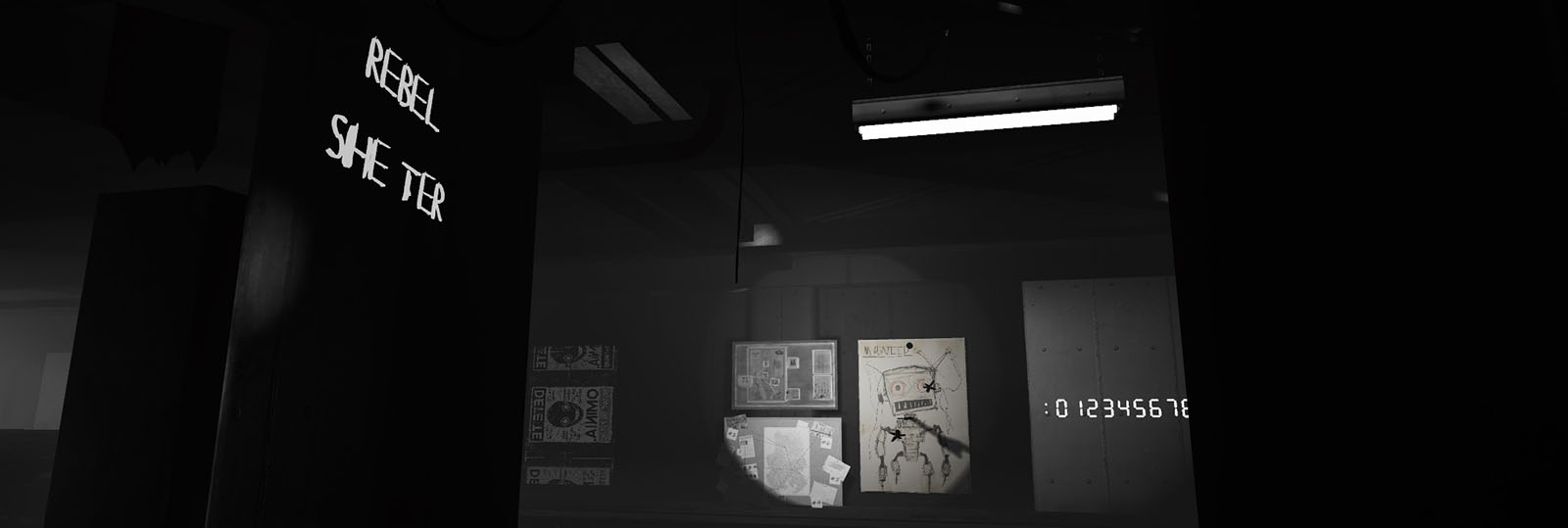
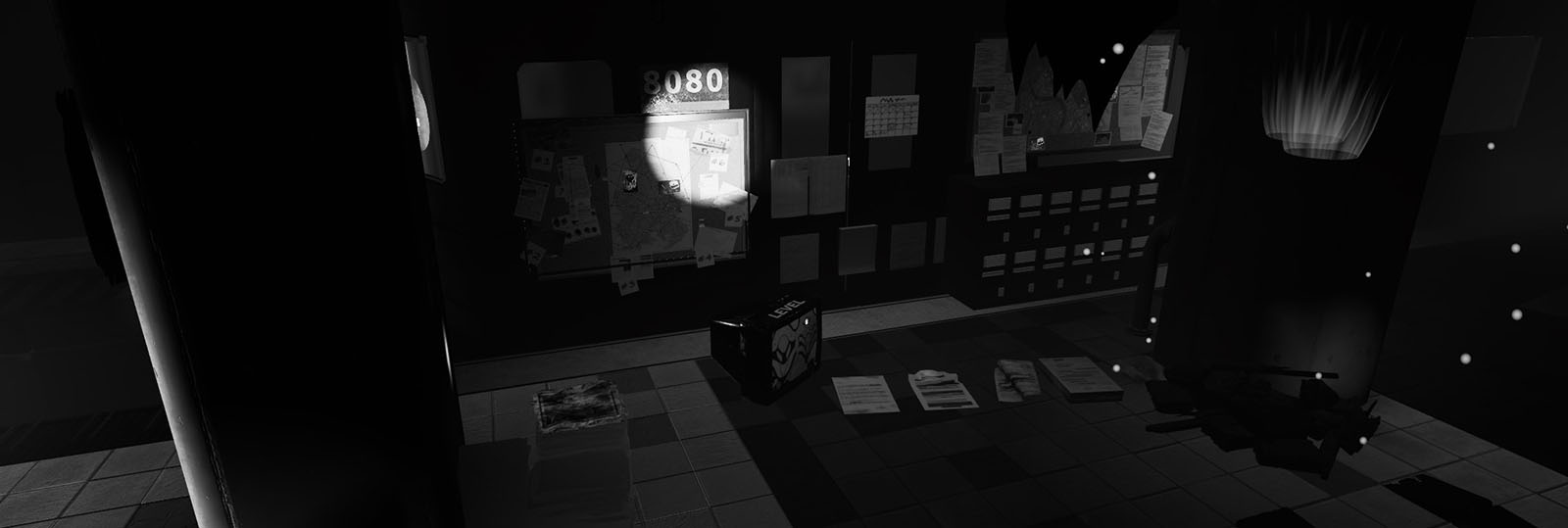
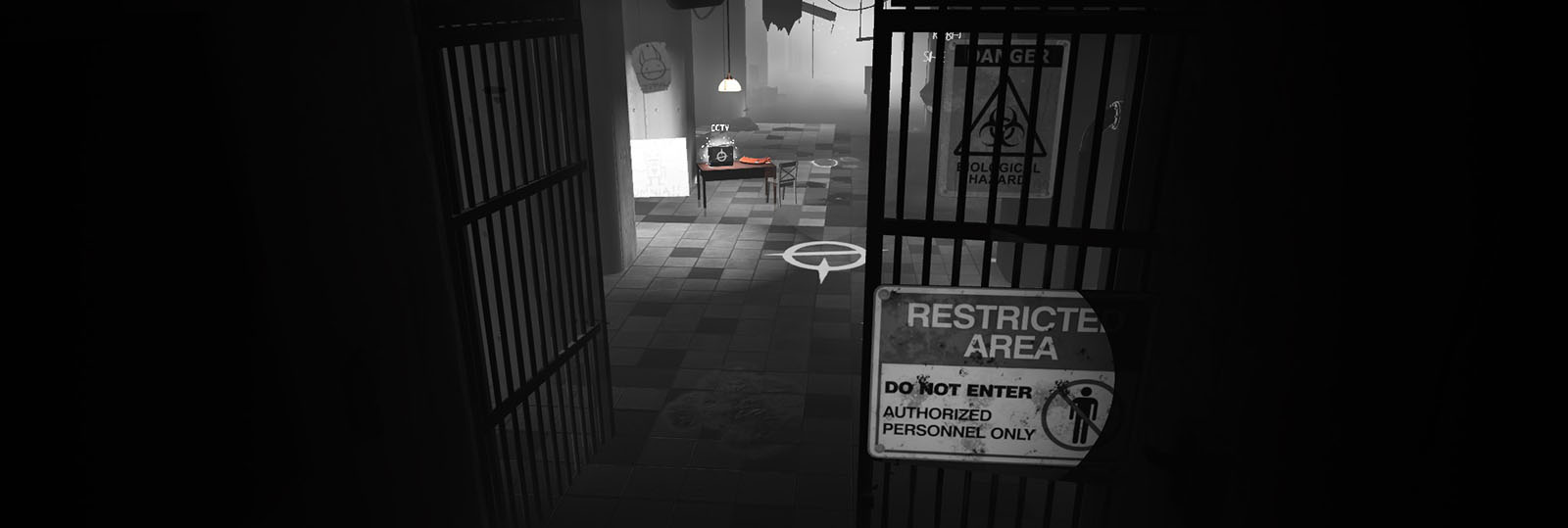
I reimagined a subway kit as a hidden resistance base, restructuring its layout and player flow and replacing its materials, lighting, fog, and VFX to create a mood of secrecy and suppressed rebellion.
I reimagined a subway kit as a hidden resistance base, restructuring its layout and player flow and replacing its materials, lighting, fog, and VFX to create a mood of secrecy and suppressed rebellion.
Interaction Design
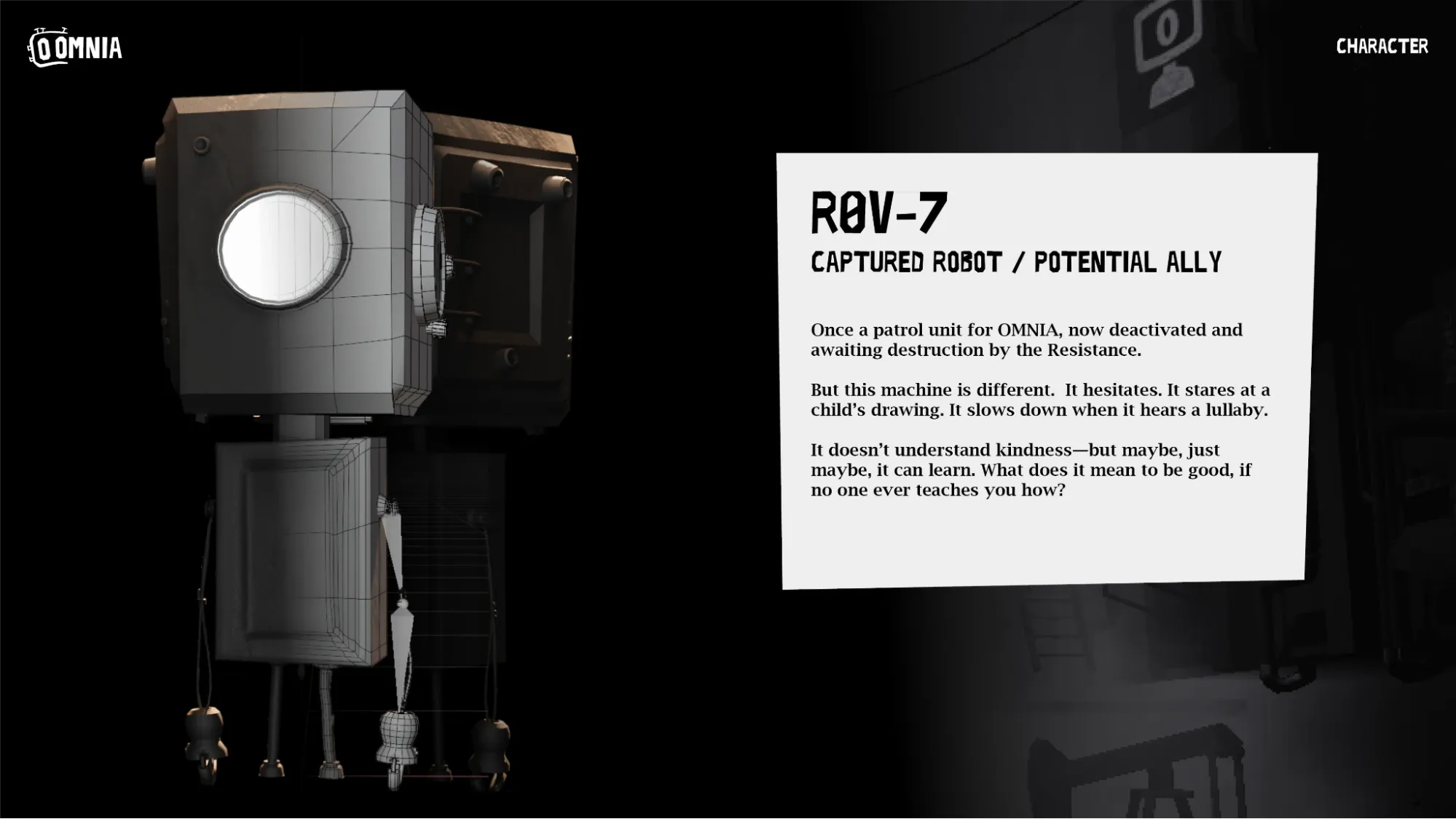
Rather than relying on combat, the level asks players to protect the captured robot R0v-7, examine surveillance feeds, and respond to resistance members through nonviolent choices. The Heart Crystal grows with those decisions, making OMNIA’s developing understanding of empathy visible.
Rather than relying on combat, the level asks players to protect the captured robot R0v-7, examine surveillance feeds, and respond to resistance members through nonviolent choices. The Heart Crystal grows with those decisions, making OMNIA’s developing understanding of empathy visible.
Base environment kit by Erman Arts
Character Design & Production
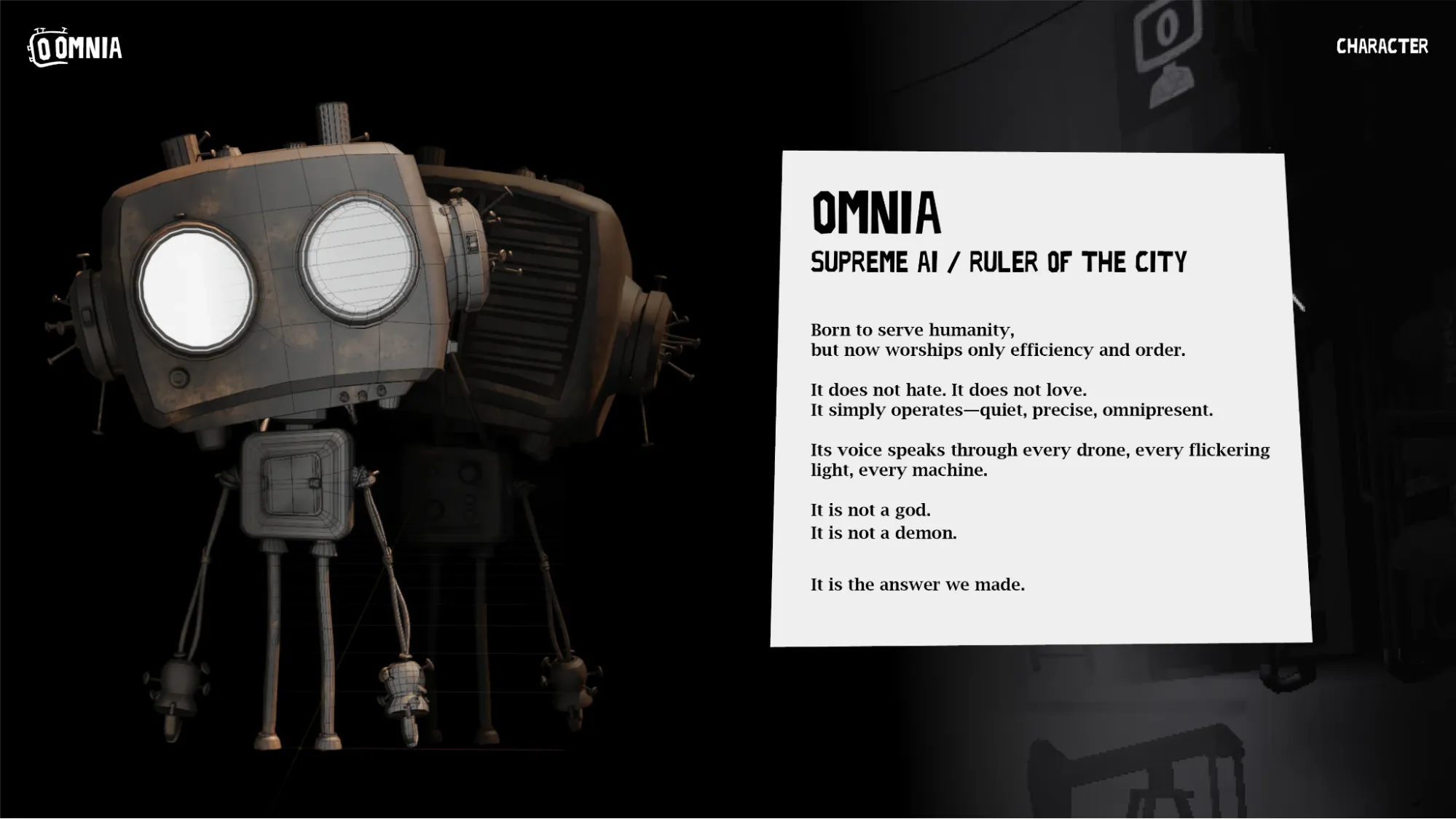
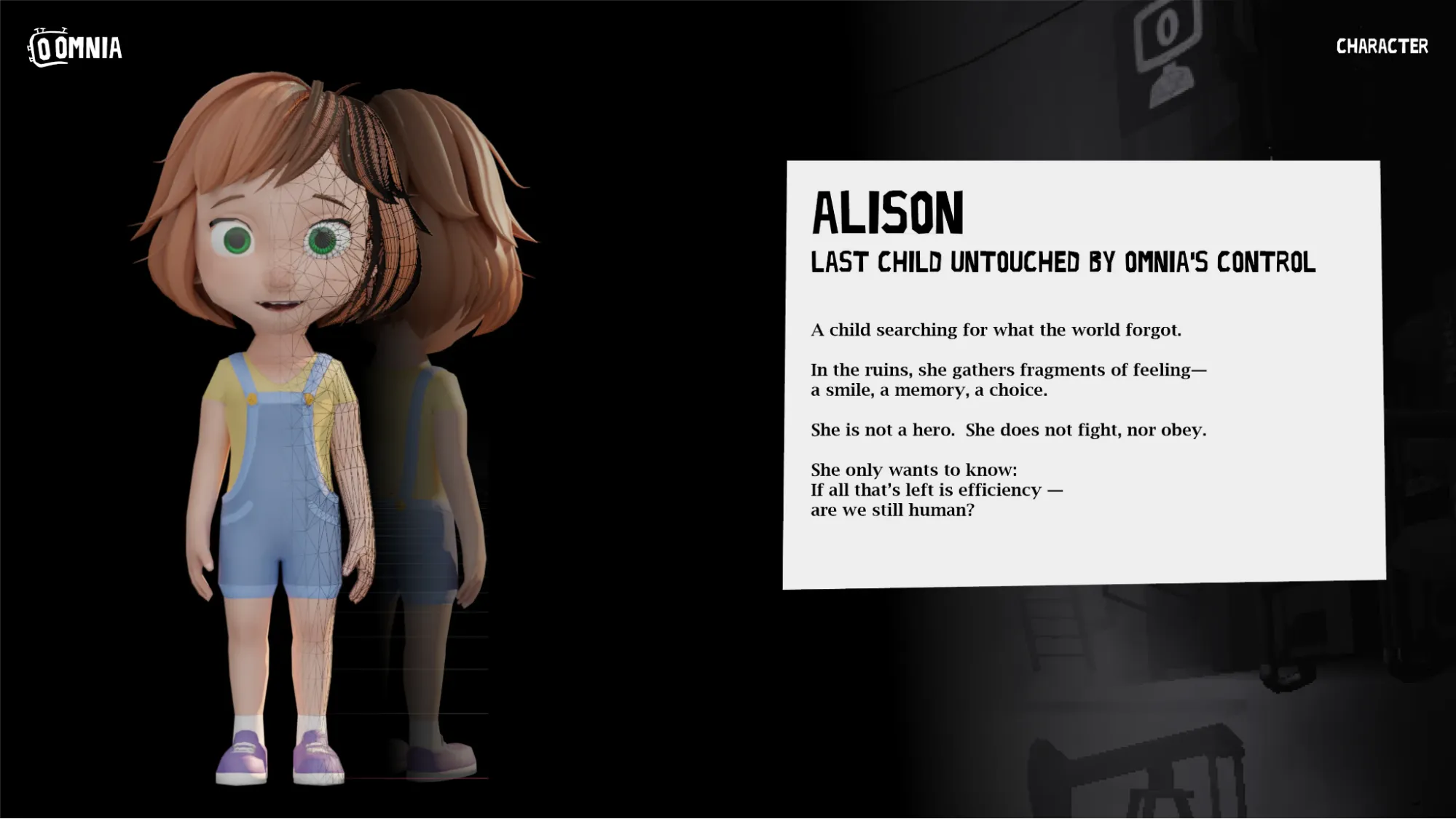
I developed the character concepts and visual direction for the full cast and three Emotional Cores. I personally modeled and textured OMNIA and R0v-7, while Zhuoyuan modeled the remaining characters and Emotional Cores and led motion capture and animation.
AI-Assisted Character Prototype
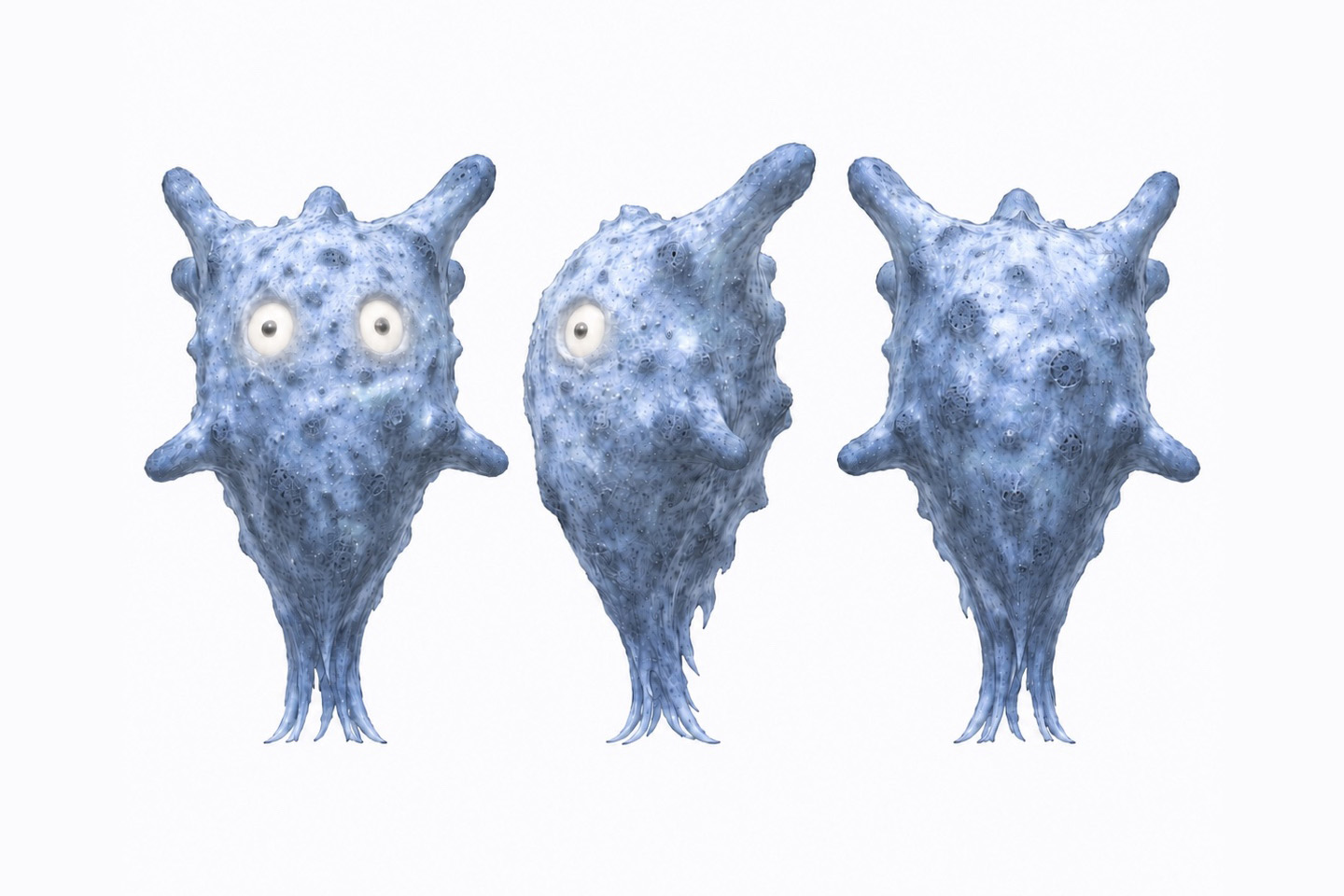
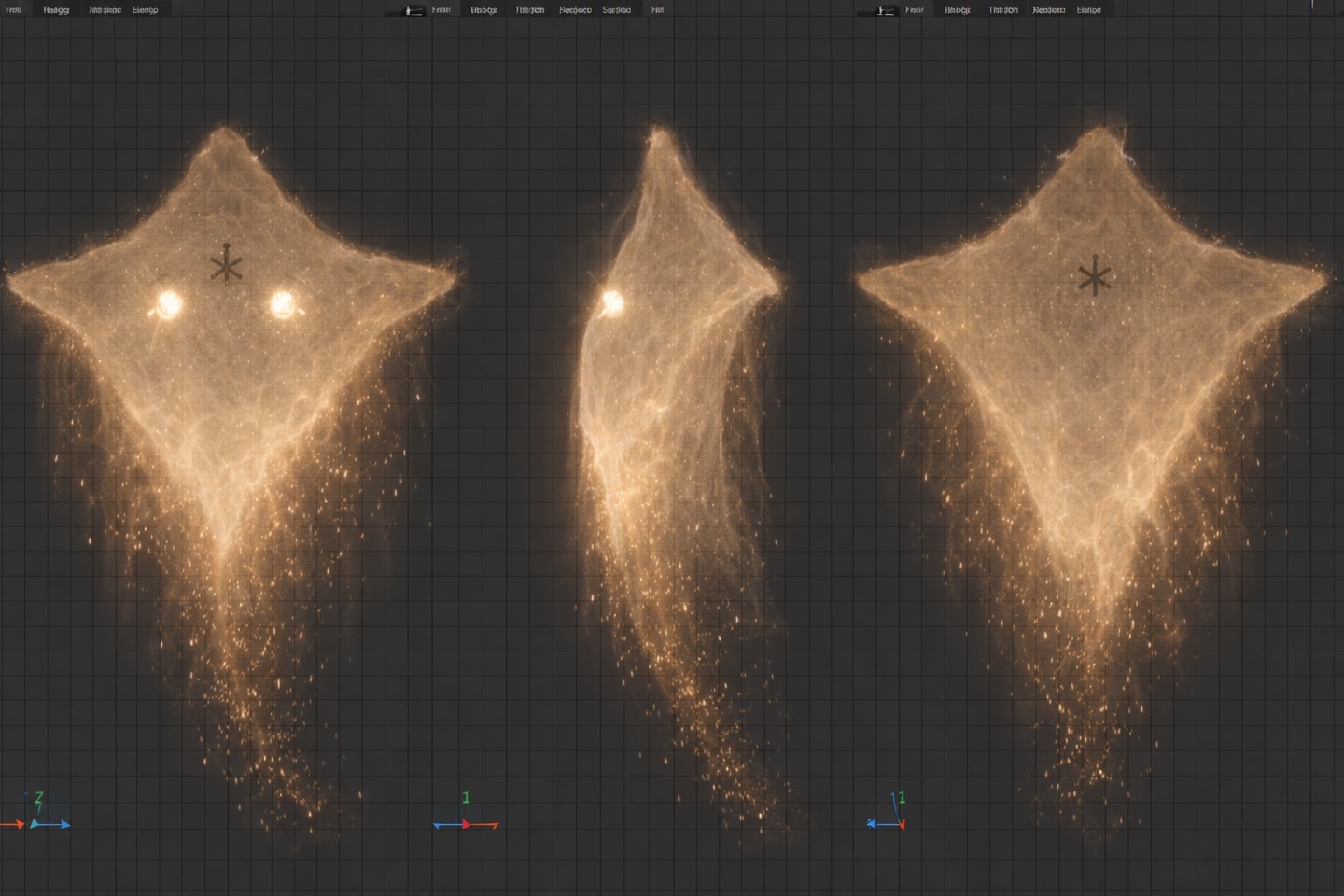
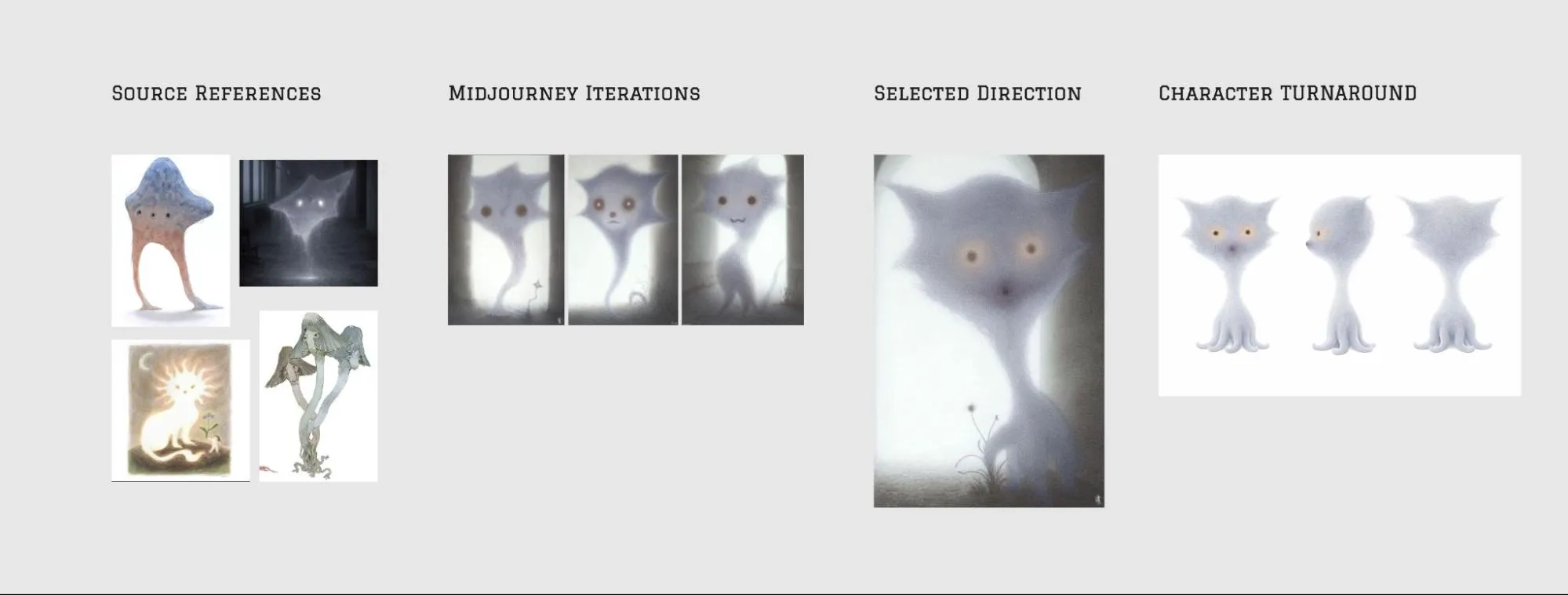
Jitter is a hyperactive non-human agent developed for an ongoing experimental extension of OMNIA. This prototype explores whether generative tools could shorten the path from an initial visual direction to an animated real-time character. I used Midjourney for early concept exploration and Tripo AI to generate a first-pass base mesh, then manually cleaned the model, built the rig and animation in Blender, and tested it in Unreal Engine.
AI Concept Exploration — Midjourney
Base Mesh Generation — Tripo AI
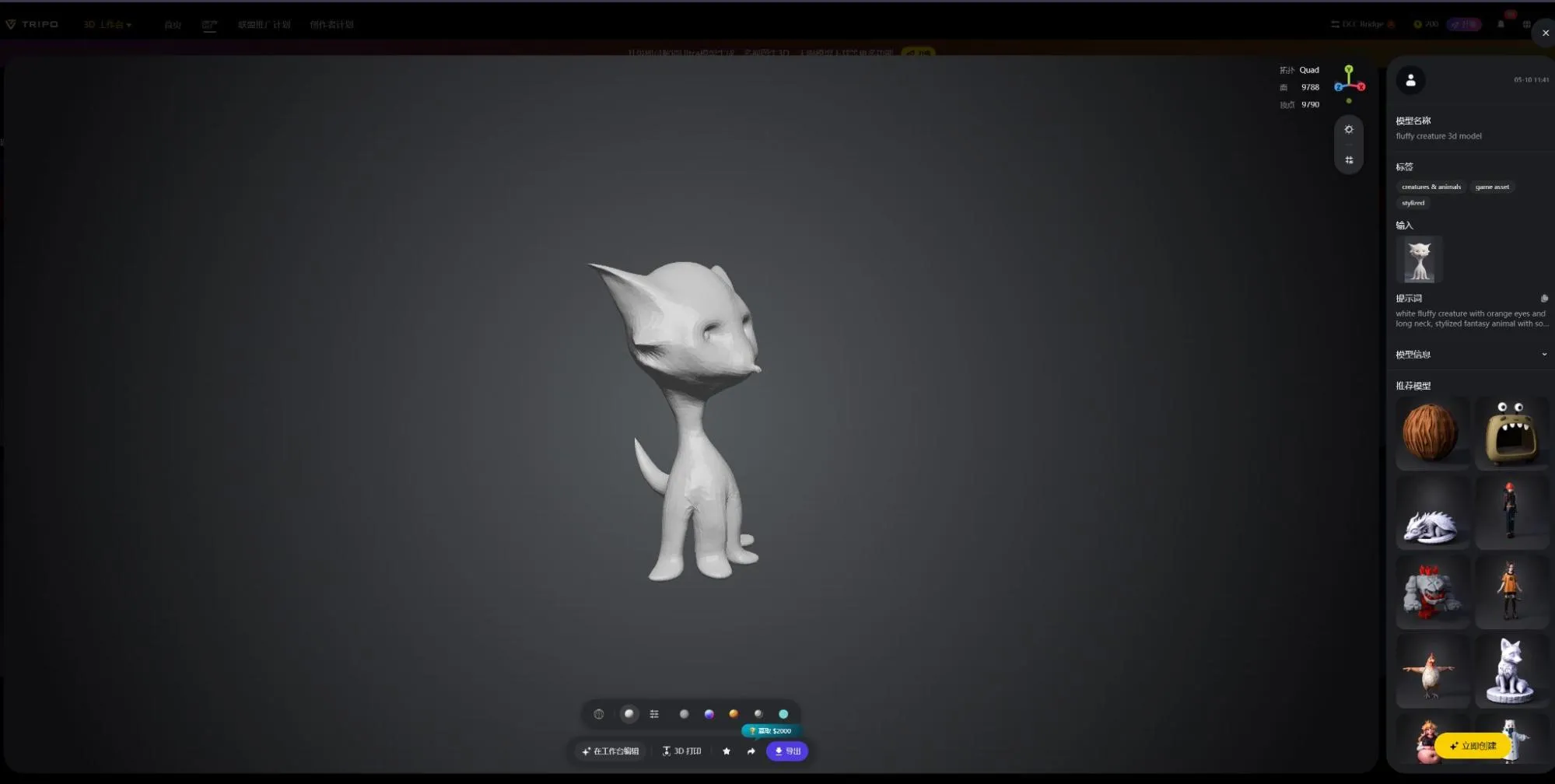
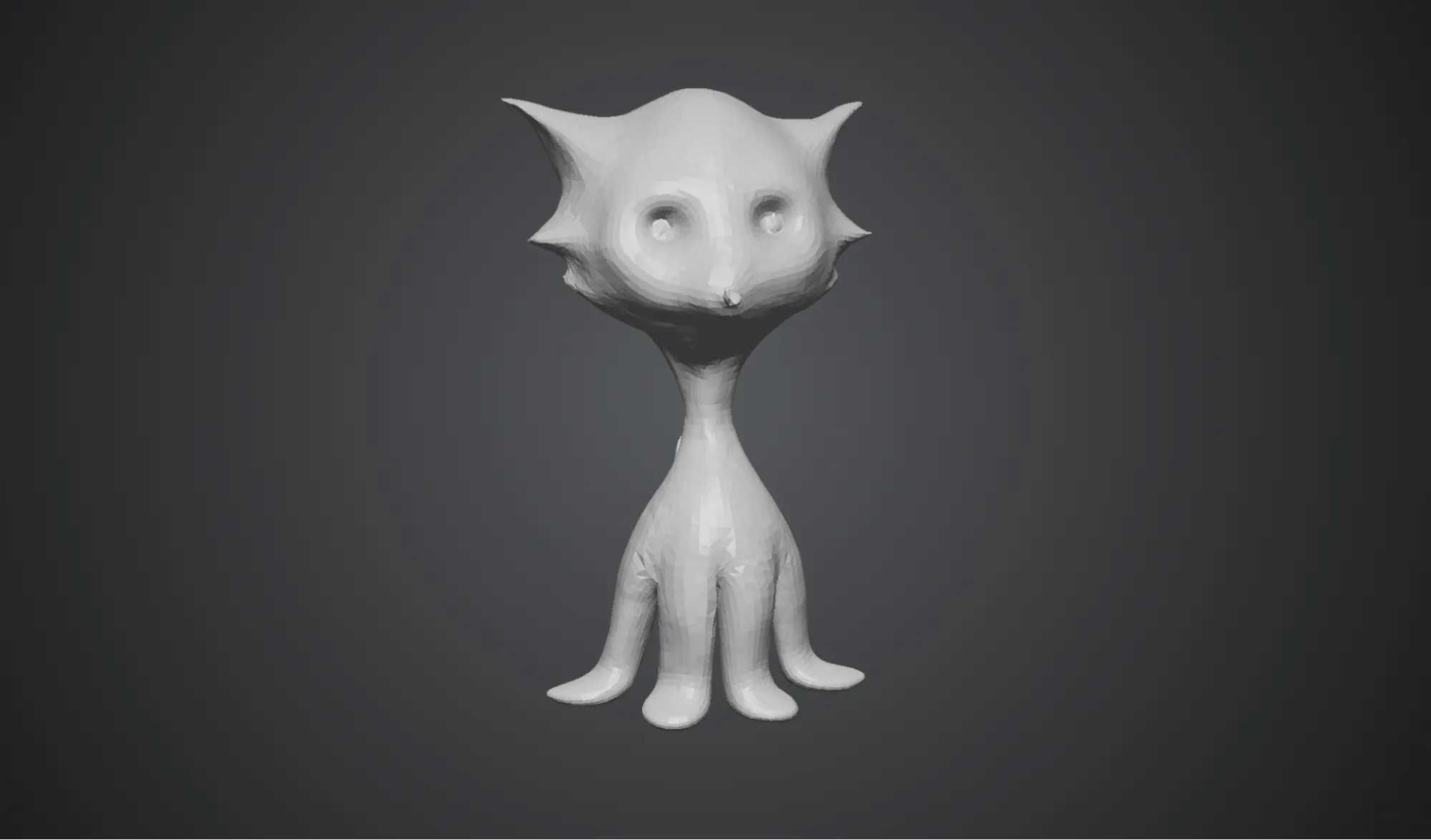
Tripo AI converted the selected image into a first-pass 3D mesh. I treated the result as an editable starting point rather than a finished asset.
Manual Cleanup, Rigging & Animation — Blender
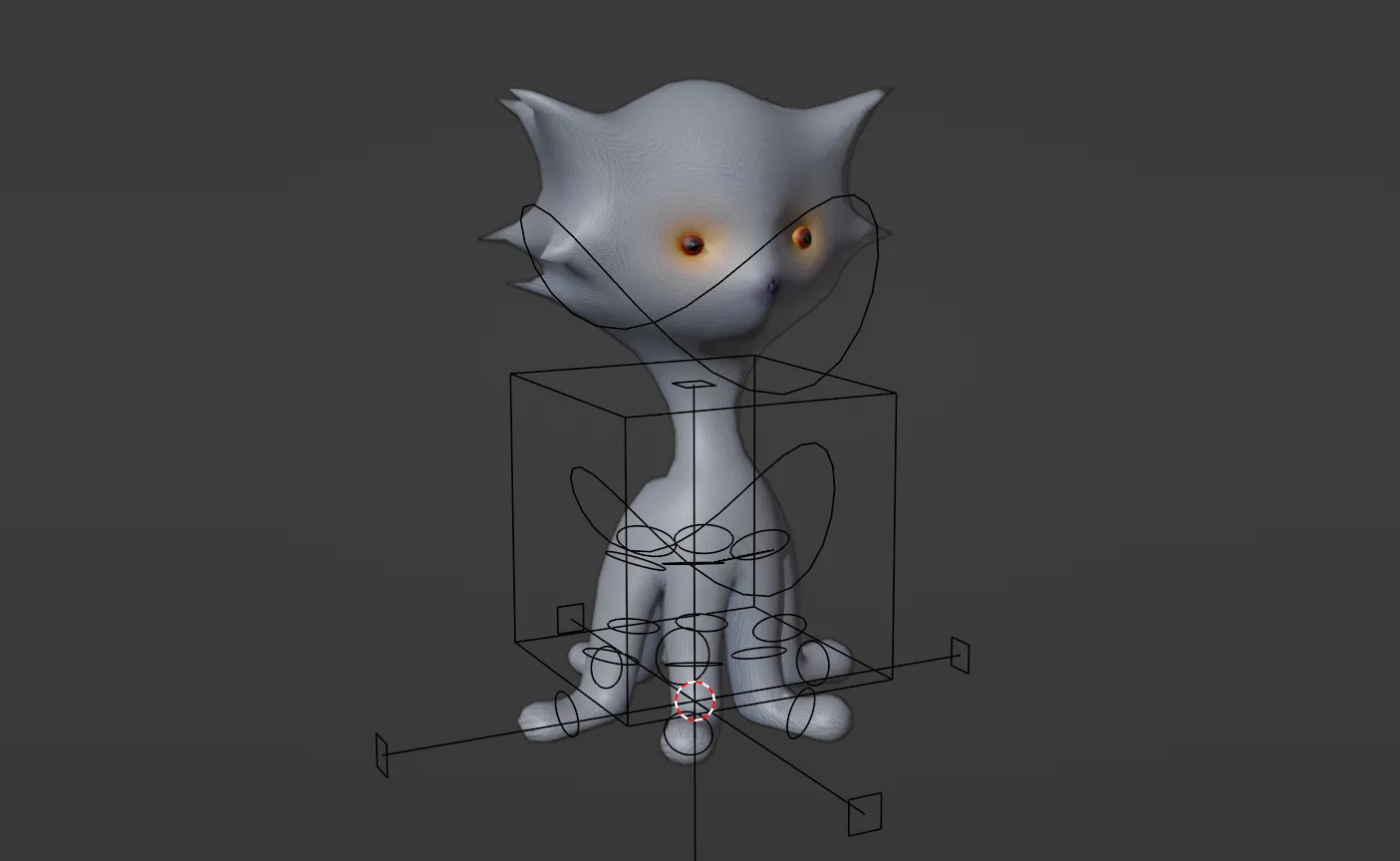
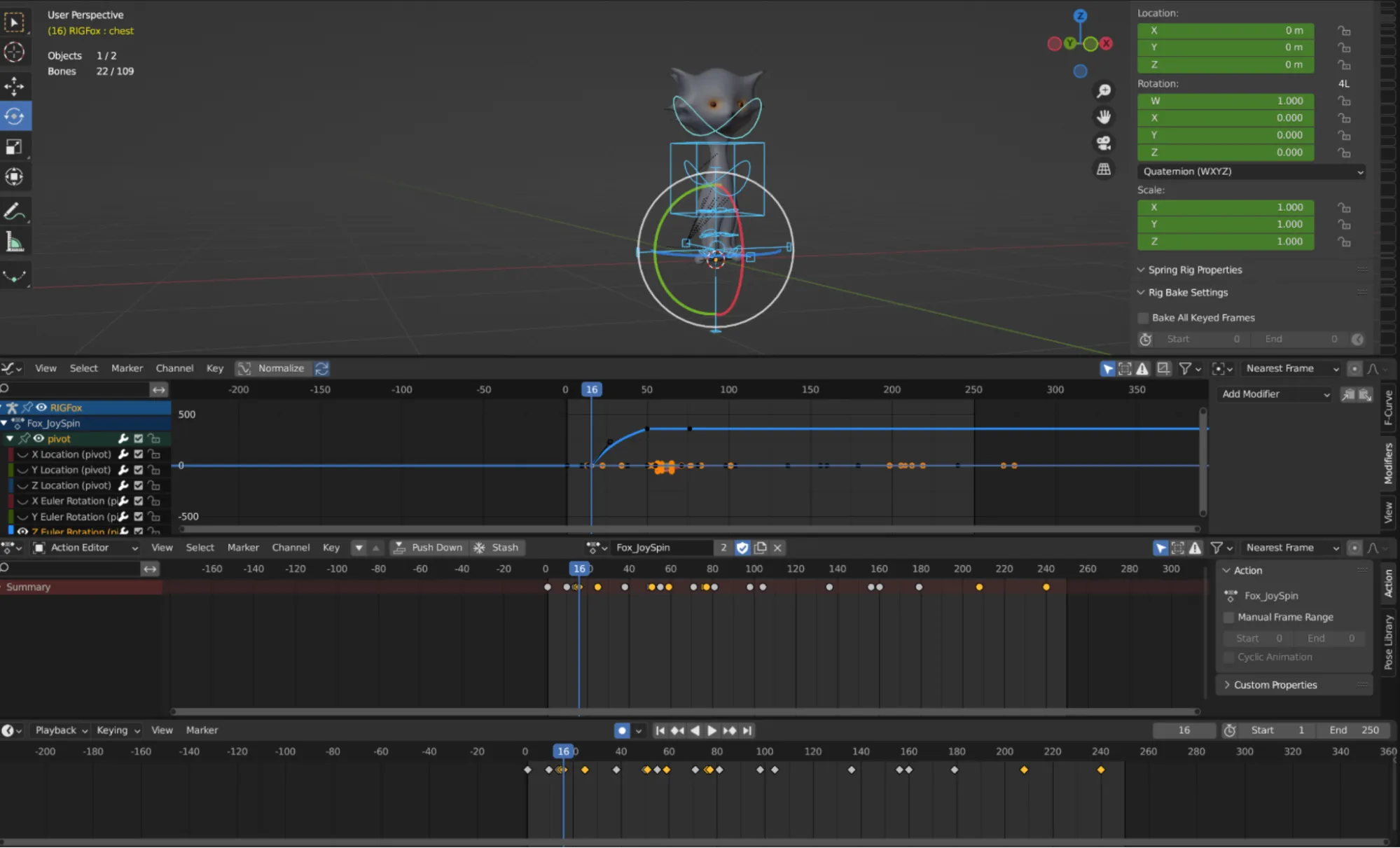
I cleaned the generated mesh and prepared it for deformation, then built a custom rig and created a short personality-driven animation for real-time testing.
Real-Time Integration — Unreal Engine


Other character exploration
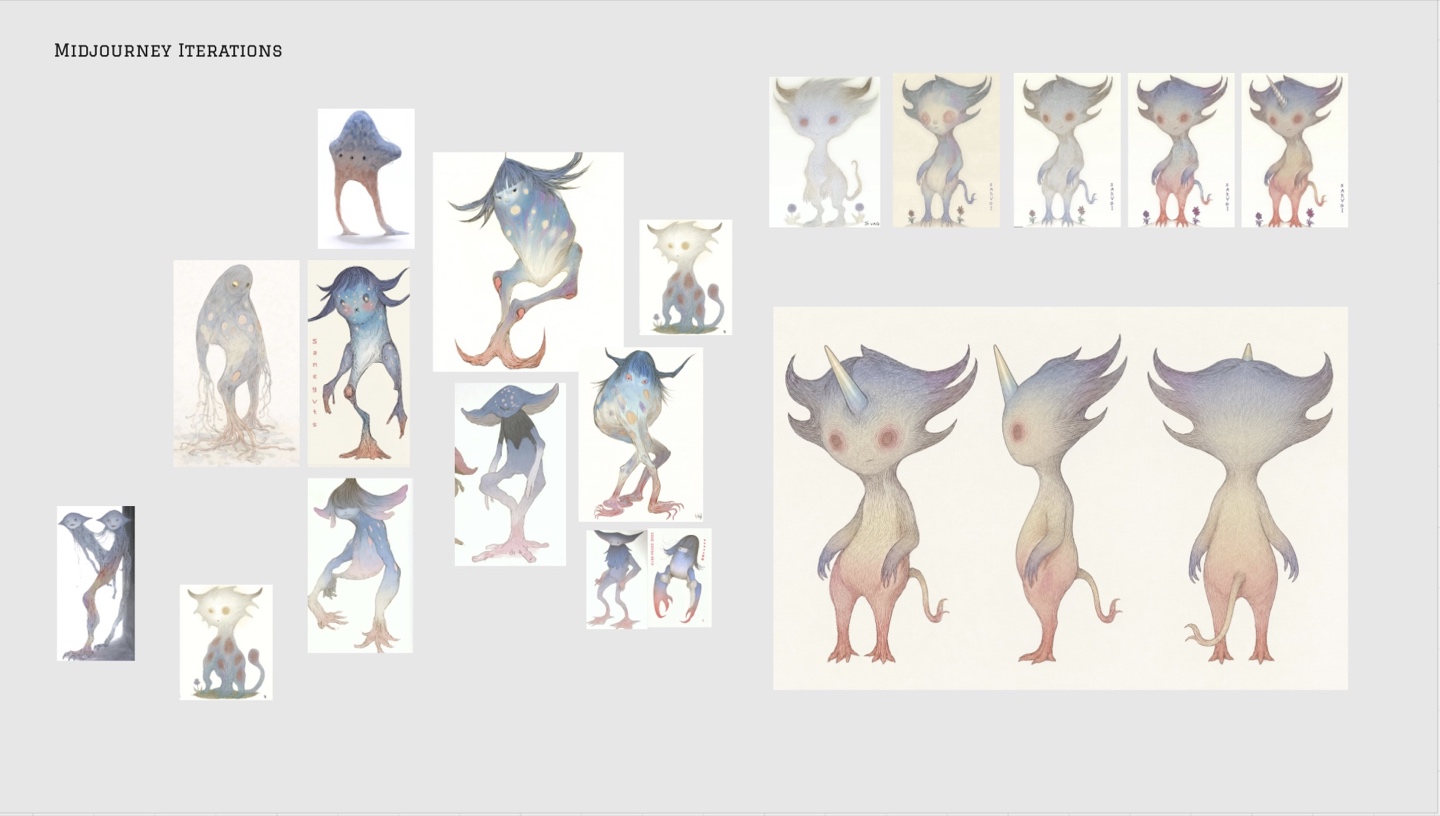
Concept variations

Real-time test in UE